Joseph Kosma: The Jazz Maestro's Legacy
The Budapest-born composer behind Autumn Leaves, whose Central European roots, Paris years, and cinema collaborations shaped a lasting jazz legacy.
Originally published on RealBookSoftware.com

Joseph Kosma: The Jazz Maestro
In the pantheon of jazz and film music, Joseph Kosma's name resounds with a particular resonance. Born in Budapest and later making Paris his home, Kosma's journey through the world of music is a testament to his unparalleled genius, seamlessly blending Central European music influences with the intricate nuances of jazz and cinema.
Kosma occupies a unique space in music history. He was neither a jazz performer nor a bandleader, yet his compositions became essential parts of the jazz repertoire. His gift lay in writing melodies that felt both timeless and deeply personal, melodies that jazz musicians could inhabit and make their own through improvisation. This quality, more than any technical innovation, is what secured his place among the great songwriters of the twentieth century.
Central European Beginnings
Kosma's formative years in Budapest exposed him to a rich tapestry of Central European music influences. The melodies, rhythms, and tonalities of this region would deeply influence many Joseph Kosma compositions, providing a unique foundation for his future works. The Franz Liszt Academy of Music, where he honed his craft, played a pivotal role in shaping this young prodigy.
The Hungarian musical tradition, with its folk melodies and classical heritage, gave Kosma an ear for melody that would later distinguish his work in Paris. He absorbed the sounds of Central European cabaret, the formal discipline of classical composition, and the emotional directness of folk music, carrying all of these influences with him when he eventually left Hungary for France.
Jazz Classics by Joseph Kosma
While Kosma's contributions span genres, it's in jazz that he truly found his voice. The world would come to recognize the genius of Autumn Leaves by Kosma, a tune that has become synonymous with jazz's evocative power. However, this was just one of the many jazz classics by Joseph Kosma. His ability to craft melodies that were intricate yet accessible made him a beloved figure in jazz circles.
Autumn Leaves, originally written as the French song "Les Feuilles Mortes," has been recorded by virtually every major jazz artist, from Miles Davis and Bill Evans to Cannonball Adderley and Keith Jarrett. Its elegant harmonic progression and haunting melody make it one of the most recorded jazz standards in history. For any jazz student, it is among the first tunes learned and one of the last ever mastered, because its simplicity demands absolute musical honesty from the performer.
The Parisian Jazz Scene
Paris in the 1930s and 40s was a hotspot for jazz enthusiasts. Cafes and clubs echoed with the sound of live jazz performances, and it was in this ambiance that Kosma's music found a natural home. Musicians and vocalists from around the world flocked to the city, enhancing its reputation as a global jazz hub.
The city offered Kosma something Budapest could not: a community of artists who treated popular song as serious art. Songwriters, poets, filmmakers, and musicians collaborated freely across disciplines. In this environment, Kosma's melodies found their voice, and his partnership with lyricists and poets produced some of the most enduring songs of the French repertoire.
Kosma and French Cinema: A Symphony of Sound and Screen
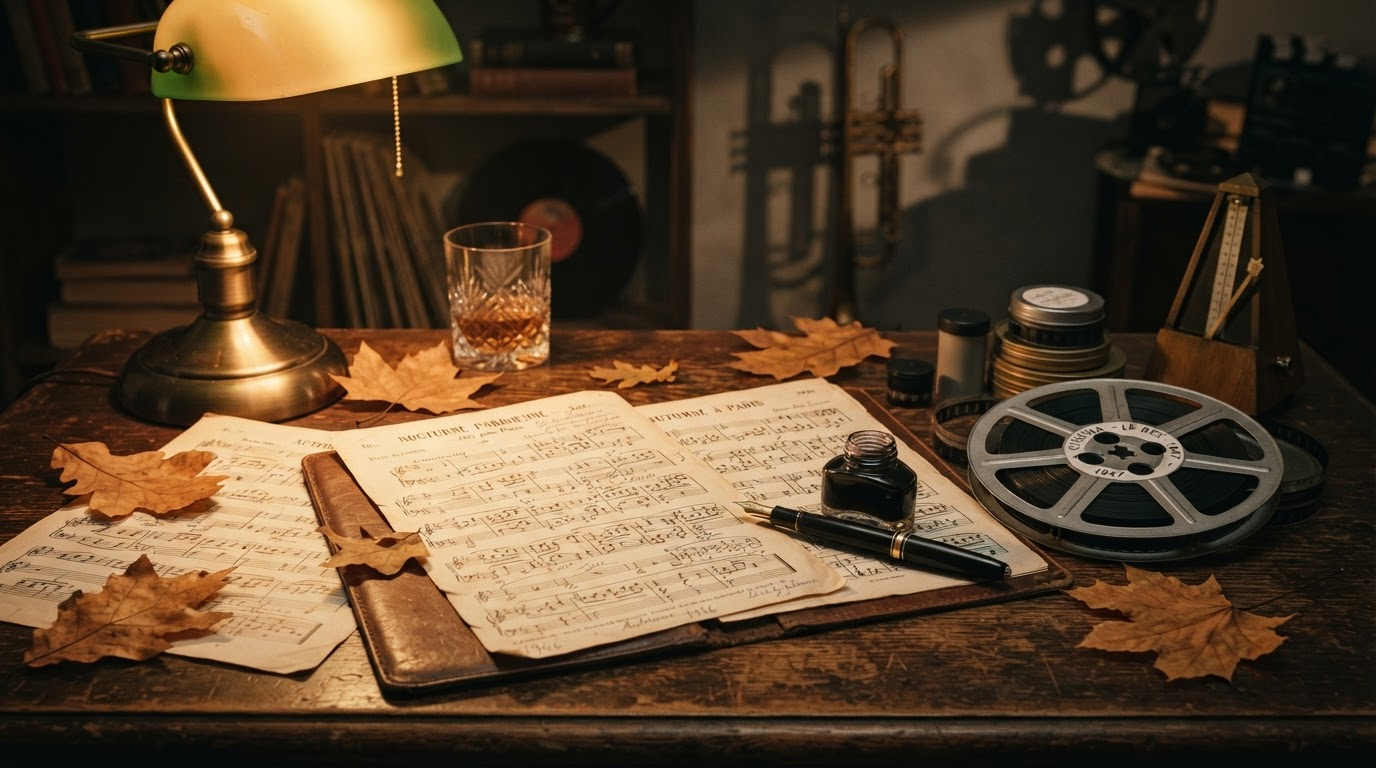
Paris of the 1930s and 40s was a hub of artistic innovation, especially in the realm of cinema. Kosma's move to this vibrant city marked the beginning of a prolific phase of collaborations with the French film industry. The relationship between Kosma and French cinema was symbiotic. His scores, whether melancholic or vivacious, added layers of depth to the visuals, making the narrative more compelling. Filmmakers like Jean Renoir and Marcel Carné sought his expertise, recognizing the unique voice he brought to their films.
His most celebrated film collaboration was with director Marcel Carné on "Les Enfants du Paradis" (Children of Paradise, 1945), widely regarded as one of the greatest French films ever made. Kosma's score for the film is a masterwork of cinematic music, weaving together themes of love, fate, and theatrical life with the same melodic grace that defines his concert and jazz compositions.
Jacques Prévert and Kosma Collaborations: A Melodic Poem
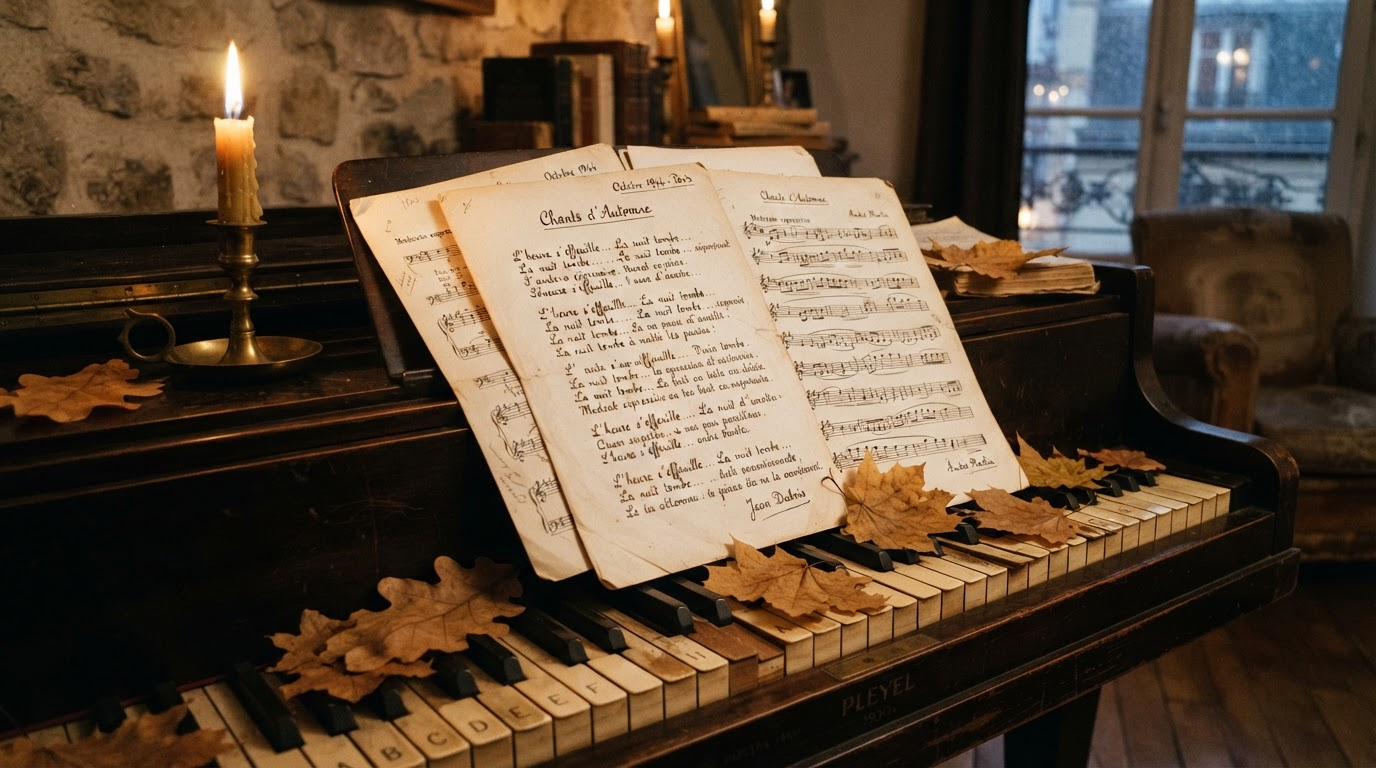
One of the most significant chapters in Kosma's life was his collaboration with the French poet Jacques Prévert. This partnership resulted in a series of compositions where poetry met melody, creating a soundscape that was both profound and poignant. The Jacques Prévert and Kosma collaborations are celebrated not just for their musicality but for the way they captured the zeitgeist of their era.
Together, Prévert and Kosma created some of the most beloved French chansons of the twentieth century. "Les Feuilles Mortes" (Autumn Leaves), "Les Enfants Qui S'Aiment," and "Barbara" are just a few of the songs that emerged from this remarkable creative partnership. Prévert's poetry brought a literary depth to popular song, while Kosma's melodies gave those words an emotional resonance that transcended language. Their work together represents one of the great songwriting partnerships in European music history.
Autumn Leaves and the Jazz Repertoire
No discussion of Joseph Kosma is complete without acknowledging the extraordinary afterlife of "Les Feuilles Mortes" in the jazz world. Translated into English as "Autumn Leaves" with lyrics by Johnny Mercer, the song crossed oceans and genres to become a universal jazz standard.
The song's chord progression, built on a descending cycle of fifths, provides a perfect framework for improvisation. Its minor-key melancholy and major-key hope exist in a delicate balance that invites interpretation. Every generation of jazz musicians returns to Autumn Leaves, finding something new in its familiar changes.
For students of jazz, Kosma's work offers a masterclass in melody writing. His tunes reward careful study: the voice leading is impeccable, the harmonic rhythm is natural, and the melodies sit perfectly on the instrument while still leaving room for the improviser's voice. This is the mark of a composer who understood both the craft of songwriting and the needs of the performing musician.
Joseph Kosma's legacy endures every time a jazz musician plays Autumn Leaves, every time a film score draws on the French cinematic tradition he helped define, and every time a listener is moved by a melody that feels both timeless and deeply personal.
Master This Style
Deepen your practice with the professional tools used by jazz masters.