Bebop: Jazz’s Game-Changer
The 1940s revolution that turned jazz from popular dance music into a high-art form.
Originally published on RealBookSoftware.com
The Big Bang of Bebop

When jazz pivoted on its heel and spun into the bebop era, it wasn’t just a change—it was a metamorphosis. This was not merely evolution; it was a revolution in riffs. The bebop era, a term that still causes the hearts of jazz enthusiasts to skip a beat, marked a seismic shift in the landscape of music during the early 1940s. If one were to define bebop, it would be like trying to capture the essence of a whirlwind—dynamic, forceful, and impossible to ignore.
The Big Bang of bebop didn’t have a singular moment of inception but was more of an accumulation of musical curiosity among the jazz maestros of the time. It was born out of late-night jam sessions where the currency was creativity and the stakes were always high. These sessions were the alchemic playgrounds where traditional jazz harmonies and structures were dismantled and reassembled into something daringly complex and utterly fresh.
The bebop era was characterized by its fast tempos, intricate melodies, and a propensity for improvisation that stretched the bounds of what was musically possible. It was an era that took the swing notes of its predecessors and sliced them into unexpected rhythms, a soundscape where the predictability of the dance floor gave way to the virtuosity of the musicians’ solos. In bebop, you find the birth of “the blow,” where soloists would engage in a musical discourse, each trying to outdo the other with their fluency and inventiveness.
These pioneering musicians became the architects of a new jazz language, one with a lexicon that was rich with syncopation and chromaticism. The phrase ‘playing outside’ took on new life, as bebop musicians would often play notes outside the conventional chord progressions, creating tension and release that both disoriented and delighted the listener.
The Big Bang of bebop wasn’t silent; it was loud and resolute. It echoed through the smoky clubs of Harlem, bounced off the walls of the Savoy, and resonated in the hallowed halls of Minton’s Playhouse. This was where bebop found its voice, and from there, it spoke to the world—a world that was, perhaps, not quite ready for its audacious new dialect.
But ready or not, bebop had arrived, and it would leave an indelible mark on the fabric of music, forever changing what was possible within the span of a few bars. This was the era that broke the rules so thoroughly that it wrote new ones, only to break those too, in the pursuit of pure, unadulterated expression.
The Architects of Bebop
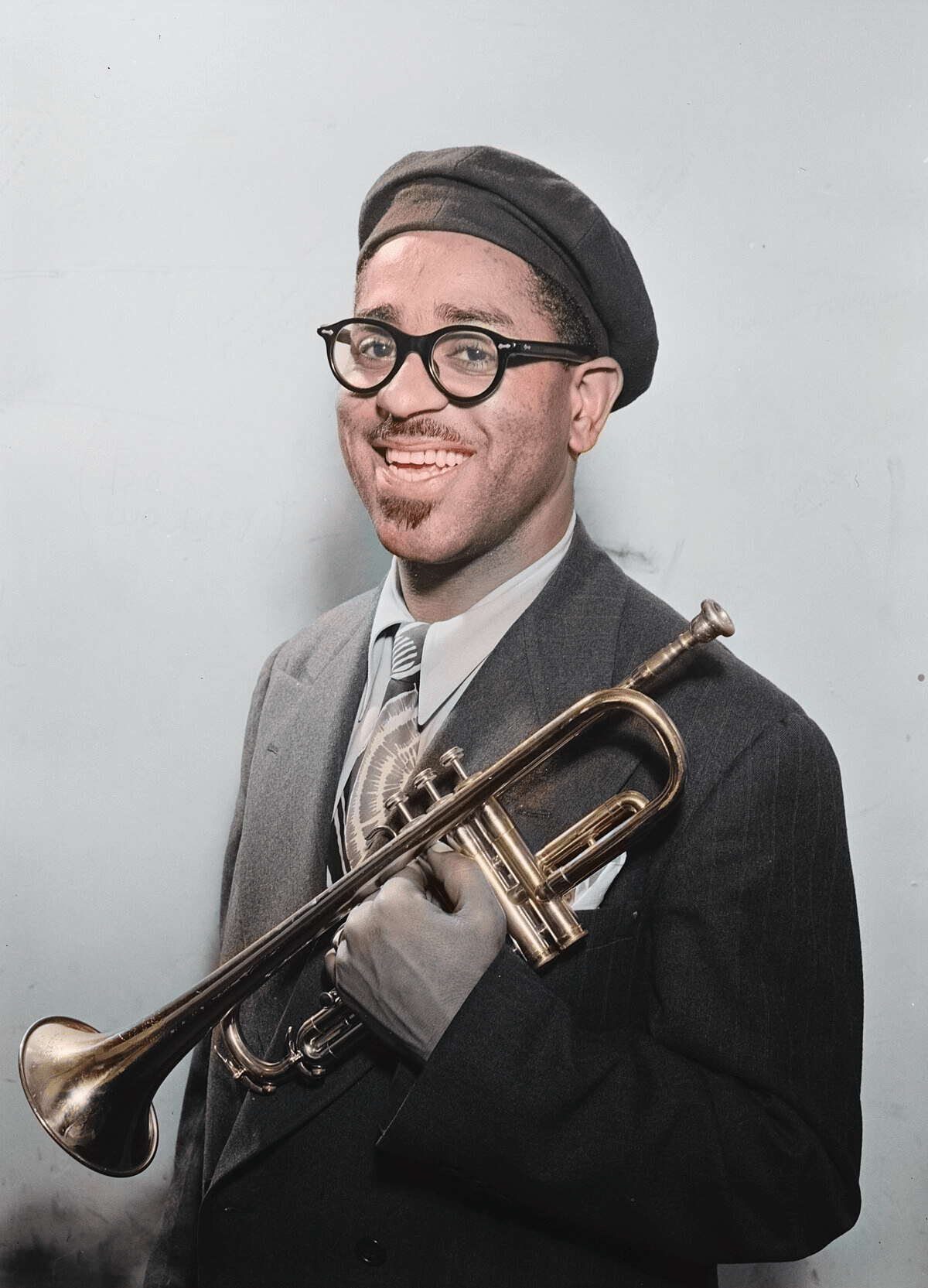
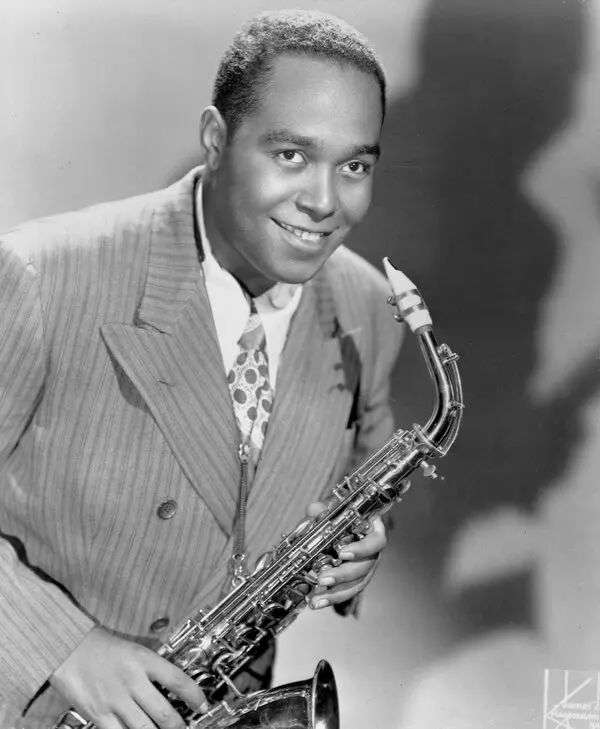
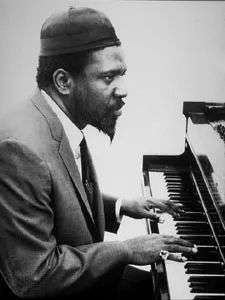
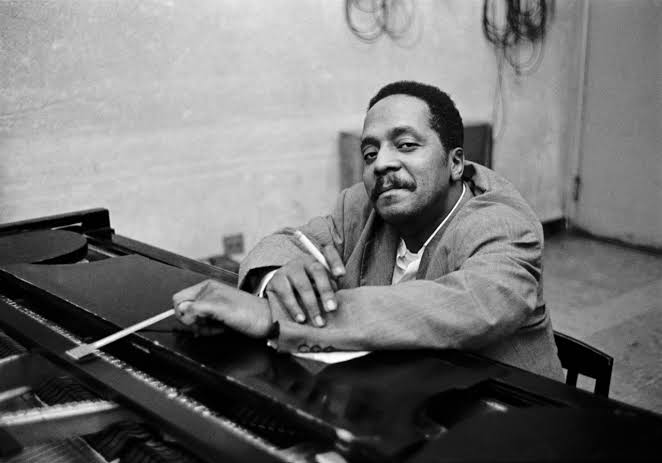
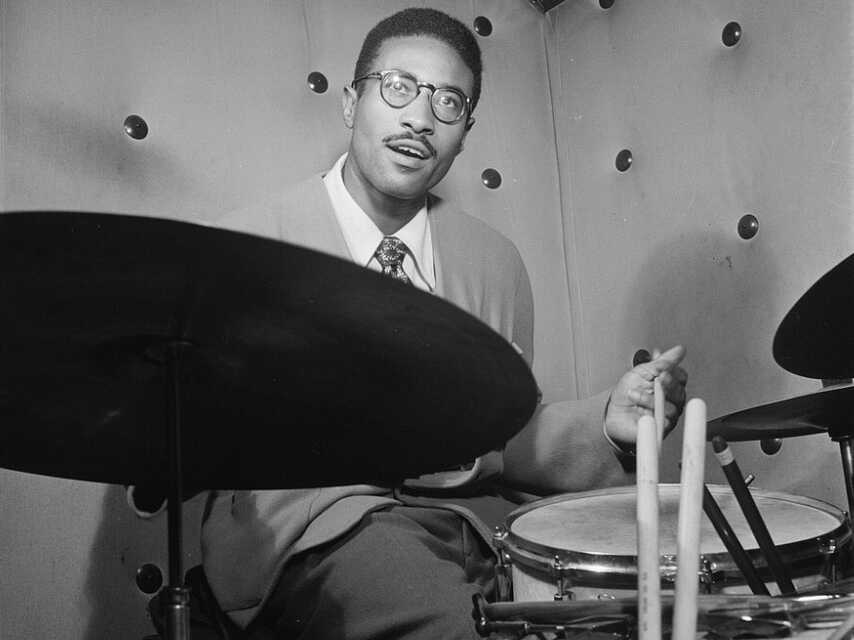
The Architects of Bebop were not just musicians; they were sonic explorers, rebels with a cause, and creators of a movement that would etch a permanent groove in the records of music history.
Bebop's Musical Mosaic
Within the intricate tapestry that is bebop lies a complexity that can be dissected but never diminished. Each bebop tune is an ecosystem of sound, its anatomy a complex interplay of elements that demands the listener’s full engagement.
The Anatomy of a Bebop Tune begins with its head – the main theme, typically a winding, convoluted melody that sets the stage for what’s to come. It’s here that the tune’s character is established, a musical thesis that will be debated and discussed through each musician’s interpretation. The solos that follow act as the body, the flesh and blood where each artist injects their own essence into the composition. Here, the language of bebop is spoken in its purest form – notes and phrases darting and diving like swifts at dusk, each a masterclass in musical expression.
Melody Meets Madness in Bebop’s Harmonic Structure. Chords are stacked and stretched, leading to a harmonic labyrinth that is as unpredictable as it is captivating. The progression of these chords is not just a path, but a series of stepping stones across a rhythmic river, each one placed with purpose and intent. It’s a harmonic high-wire act, with each musician balancing deftly, never falling into the mundane.
The Rhythmic Rebellion of Bebop is where the true insurgence lies. Time is treated not as a metronome’s slave, but rather a flexible concept, to be pushed and pulled at the musician’s whim. Syncopation becomes the norm, the strong beats often abandoned for the weak, creating a sense of anticipation and surprise that keeps the audience on the edge of their seats.
Improvisation is the Bebop Musician’s Canvas. Here, the rules of harmony and theory are known but often ignored, as the artist paints with audacious strokes of spontaneous creation. It’s a thrilling high-wire act without a net, as musicians navigate through the chord changes, sometimes flirting with chaos, always returning to order. The solos are conversations, debates, passionate arguments that take place within the framework of the tune, each artist’s voice distinct, clear, and potent.
Bebop's Cultural Cacophony

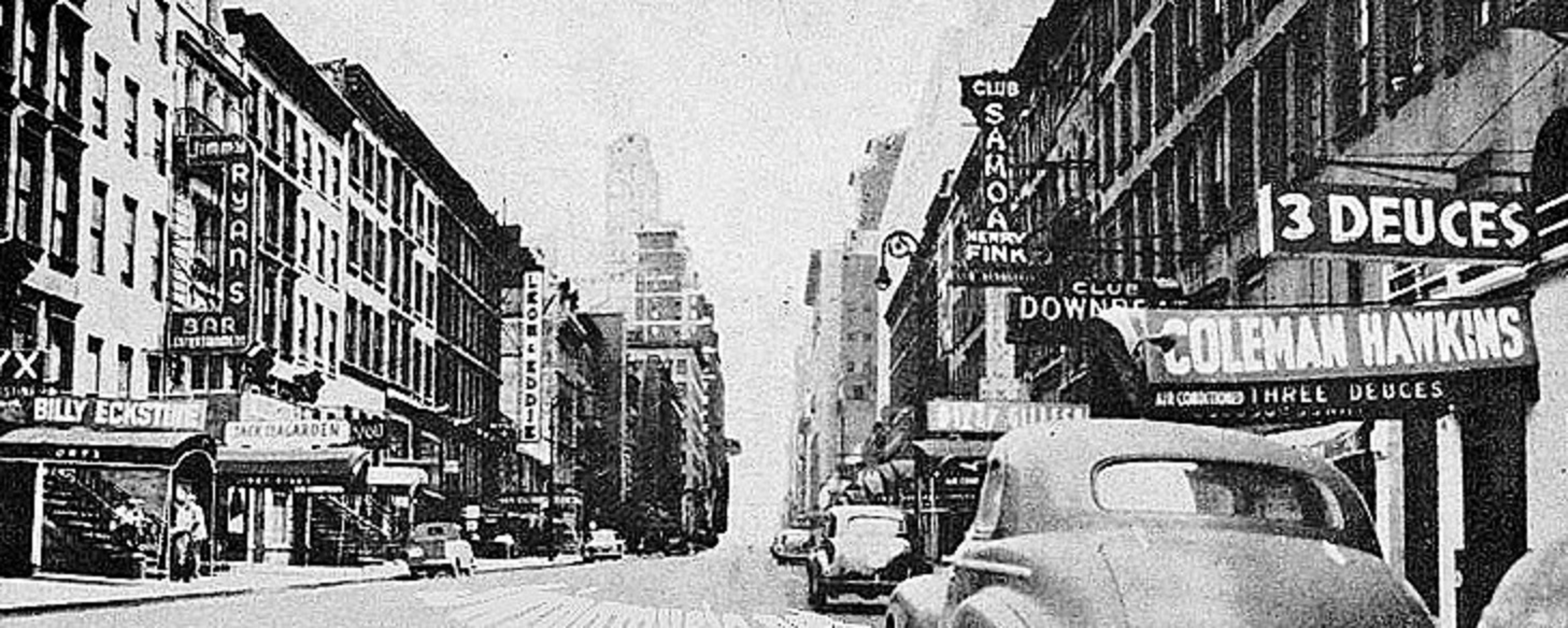
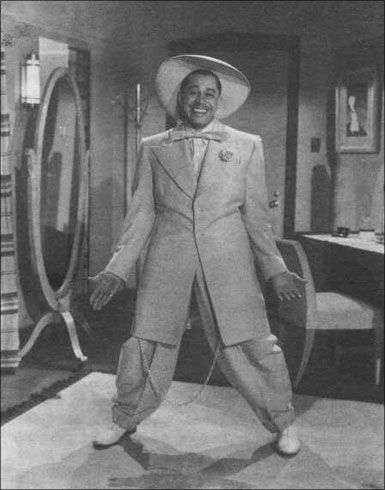
Bebop’s Cultural Cacophony resonated far beyond the boundaries of music, infiltrating the very sinews of cultural expression of its time.
The Sound of Revolution
The Sound of Revolution that bebop heralded was more than a mere riff in jazz; it was a clarion call that resonated into the future of the genre, influencing its many subsequent forms.
From Bebop to Hard Bop: A Smooth Transition, the lineage was clear. Hard bop took the bebop blueprint and added even more soul, a dash of blues, and a sprinkle of gospel. The transition was like a river flowing from its source, gathering new elements as it moved. Art Blakey and Horace Silver were among the craftsmen who carved this path, their music infusing bebop’s complex improvisations with a deeper, more resonant groove.
Cool Jazz: The Counterpart of Bebop emerged almost as a whispered answer to bebop’s exuberant shout. Where bebop was frenetic, cool jazz was subdued; where bebop was dense, cool jazz was spacious. It was the west coast’s retort to the east coast’s bebop frenzy. Musicians like Chet Baker and Dave Brubeck stood at the helm of this movement, their melodies lingering like a gentle fog over the Pacific, offering a smoother, more reflective take on the bebop spirit.
Fusion and Beyond: Bebop’s Legacy is undeniable in the threads of jazz’s rich tapestry. Fusion, the blending of jazz harmony with rock’s energy and funk’s rhythm, would not have been possible without the trail blazed by bebop. It set the precedent for experimentation, pushing the envelope of what jazz could be. In the electrified explorations of Miles Davis and the genre-bending escapades of Herbie Hancock, the spirit of bebop lives on, its essence distilled into new forms that continue to challenge and captivate.
Understanding Bebop: The Listener’s Guide
The Listener’s Guide carves out a roadmap for the uninitiated and deepens the appreciation for the seasoned ear.
Begin with an open mind, expect the unexpected. Focus on the interaction between musicians—the push and pull, the conversation without words. Notice the nuances; the way a soloist might venture far from the melody, only to return just when you think they’re lost. Feel the rhythm, how it shifts and sways, and allow yourself to be carried by its current. Listen not just with your ears but with your soul. Bebop isn’t just heard; it’s felt.
The key to appreciating bebop lies in embracing its spontaneity and acknowledging its depth. Each listen reveals something new—a note, a beat, a feeling. This is the fabric of bebop: woven with innovation, patterned with genius, and meant to be unraveled one listen at a time.
Key Recordings That Define Bebop are essential listening for any jazz enthusiast. These recordings are not just songs; they are the chapters of bebop’s grand narrative, each track a story unto itself. To truly grasp bebop’s spectacular innovations, one must engage with its music actively and attentively.
Bebop Glossary
- Chops – Refers to a musician’s technical ability, particularly the proficiency and agility in playing their instrument.
- Woodshedding – The act of practicing intensely and in seclusion to perfect one’s skills. The term implies a dedication to craft that is almost ascetic in nature.
- Licks – These are pre-composed or previously improvised phrases of notes that musicians incorporate into their solos.
- Trading Fours – A common practice in Bebop where musicians alternate solos every four bars, often seen in drum solos within a larger piece.
- Heads – The main theme or melody of a tune, especially in the context of a jazz piece.
- Riff – A repeated phrase used in solos and as accompaniment, a riff is usually melodically and rhythmically simple and catchy.
- Comp (Comping) – Short for “accompanying,” it refers to the chords, rhythms, and countermelodies that an instrumentalist (usually a pianist or guitarist) creates to support a soloist.
- Blowing – A term used to describe playing a solo, often used in the context of horn players.
- Changes – Chord progressions in a tune. Bebop is known for its complex and rapid chord changes.
- The Bridge – The B section of a typical 32-bar AABA song form. It’s a contrasting section that provides a departure from the main theme.
- Double Time – A technique where the musician plays notes twice as fast as the underlying tempo, creating a sense of acceleration.
- Flat Five (♭5) – A reference to the diminished fifth, a characteristic interval in bebop harmony that adds a sense of tension.
Master This Style
Deepen your practice with the professional tools used by jazz masters.
Related Reading in Jazz History
ECM: Pushing Jazz's Creative Boundaries
How ECM Records cultivated a spacious chamber-jazz sound, distinctive visual identity, and global catalog that pushed jazz into new creative territory.
Jazz Abroad: A Global Art Form
A directory of jazz musicians from outside the United States. Browse by region, country, and instrument as individual bios are migrated into the new site.
Swing Time Glory: The Beat That Defined a Generation
When jazz was the most popular music in America. A look at the big band explosion.