From Havana To Rio: Tracing the Latin Jazz Phenomenon
A full look at the Afro-Cuban, Caribbean, Brazilian, and American threads that shaped Latin jazz, from the Spanish Tinge to Bossa Nova.
Originally published on RealBookSoftware.com
From Havana To Rio
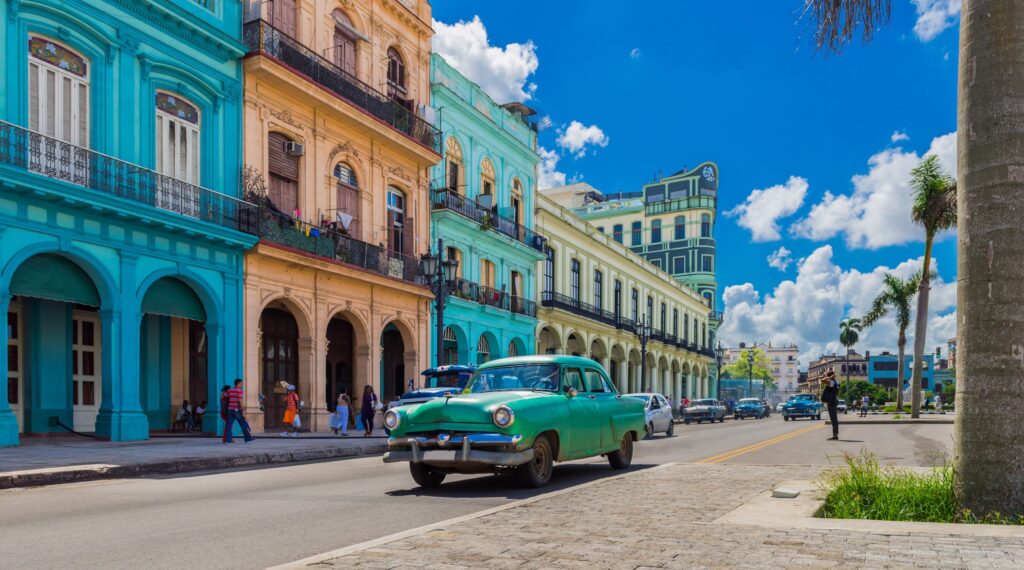

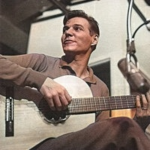
When it comes to the jazz repertoire, we've talked about standards that come from the world of musicals via Broadway and Hollywood, compositions written by jazz musicians strictly for performance and recording, and the blues tunes that have become mainstays of the jazz idiom. We are now going to take a look at yet another essential style that grafted itself into the jazz genre and created another set of must-know tunes: Latin Jazz.
Latin Jazz, more than just a musical genre, is a vibrant tapestry woven from diverse cultural threads. It's a story of rhythm meeting melody, of traditions intertwining to create something transcendent. From the streets of Havana to the clubs of Rio de Janeiro, this genre has danced its way into the hearts of music lovers worldwide.
The journey of Latin Jazz is marked by iconic figures and pivotal moments. Dizzy Gillespie's collaboration with Chano Pozo, bringing Afro-Cuban rhythms to the forefront, Stan Getz and Charlie Byrd introducing the sultry sounds of Bossa Nova to American ears, and Antonio Carlos Jobim, whose compositions like "The Girl from Ipanema" became global anthems, are but a few chapters in this rich narrative.
Straight Eighths, Brazilian Grooves, and Afro-Cuban Fire
Latin jazz differs rhythmically from traditional jazz since it employs straight rhythm, or "even-eighths," rather than the traditional jazz swing eighth-note feel.
Stylistically, Latin Jazz falls into several categories. In a broad sense these fit into one of two main categories: Brazilian and Afro-Cuban/Caribbean. Both of these main styles break down further into substyles.
Brazilian Jazz breaks down further into the Bossa Nova and Samba styles, where Bossa Nova Jazz was more guitar based and Samba jazz was more piano-trio based. Meanwhile Afro-Cuban music was heavily percussion based, with piano often serving as the strongest harmonic instrument. Guitar does not play as central a role.
Not only is the Afro-Cuban style present in jazz through songs like "A Night In Tunisia," "Manteca," and "Cubana Be Cubana Bop," there is also a distinctive Caribbean calypso flavor present in jazz songs like Sonny Rollins' famous "St. Thomas."
The Spanish Tinge
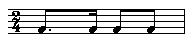
With New Orleans as the birthplace of jazz, the seeds of Latin Jazz were sown early. The movement to include Latin rhythms into jazz began in that city's jazz era with the inclusion of habanera rhythm, or tango, also referred to as a "Spanish Tinge" by Jelly Roll Morton.
This made its way into early New Orleans jazz songs like "St. Louis Blues" and still appears all the way into modern times as a more Argentinian tango in songs like Steve Kuhn's "Deep Tango."
From Dance Rhythms to Latin Jazz
The large bands of the swing era expanded their repertory to include rumba, congas, cha cha, and other Latin dance feels into mainstream American popular music. These were linked to salsa rhythms from Afro-Cuban dances such as bolero, cha cha, guaguanco, guaracha, mambo, rumba, and son montuno.
The first true Latin jazz piece was 1943's "Tanga," composed by Mario Bauzá and recorded by Machito. Stan Kenton recorded "Machito" in 1946, which is considered to be the first Latin jazz composition and recording by American jazz musicians. And of course "Manteca" was composed and recorded by Dizzy Gillespie and co-written with Chano Pozo in 1947.
The fusion of Latin music with jazz was now in full swing.
Brazil Enters the Picture
A decade later Brazil entered into the picture. Bossa Nova did not evolve or achieve popularity related to dance steps, but rather as a musical form.
Bossa Nova, which literally means "new wave," was a blending of samba and jazz that rose out of a guitar school formed in Rio de Janeiro's Copacabana neighborhood in 1956. It was a fusion of the melody and rhythm of samba and samba-cancao, the harmonic vocabulary of American standards, and the feel of cool jazz.
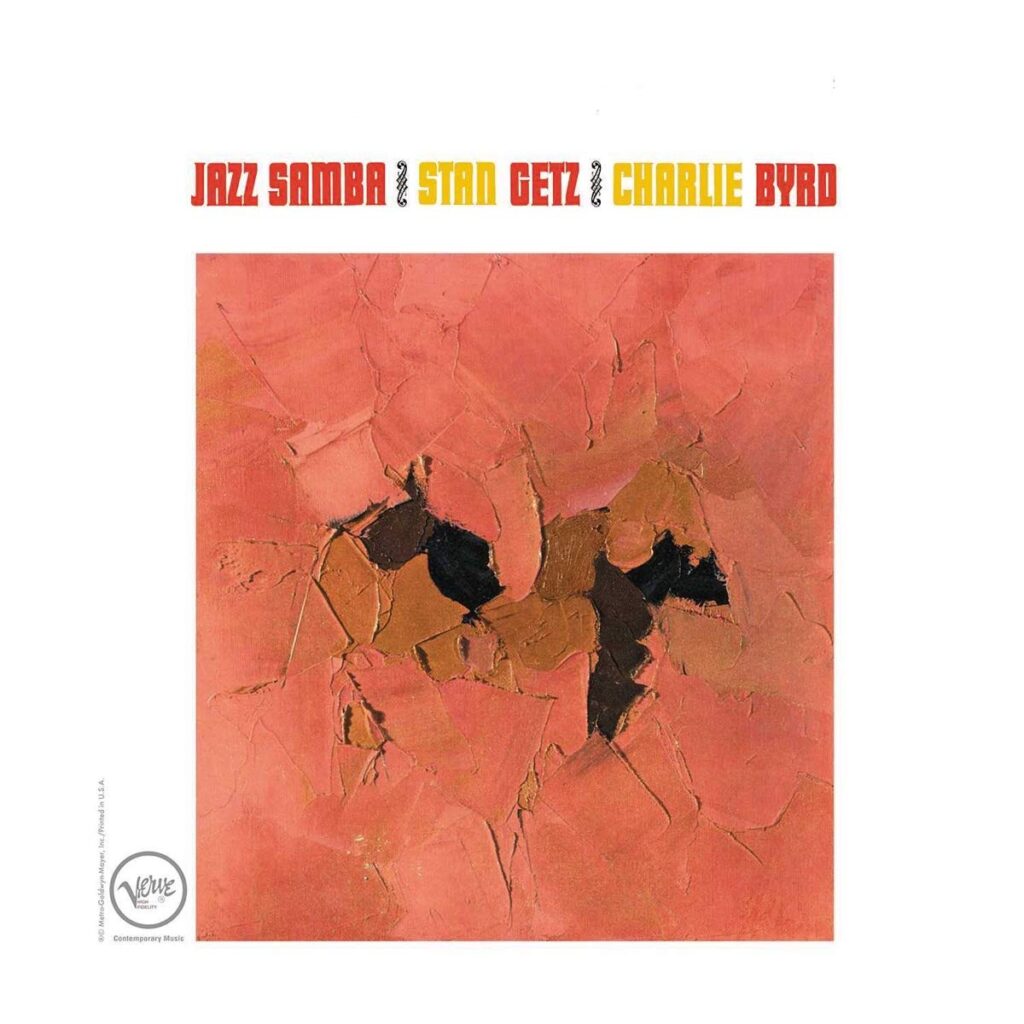
Jazz Samba, a bossa nova album by Stan Getz and Charlie Byrd released by Verve Records in 1962, signaled the beginning of the bossa nova craze in America.
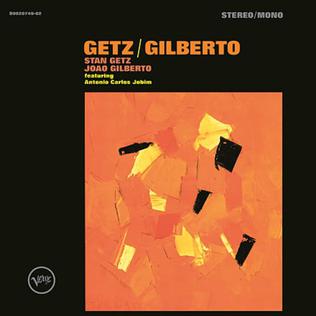
Then Getz upped the ante with his collaboration with Brazilian guitarist João Gilberto on Getz/Gilberto, the record that popularized Bossa Nova worldwide and remains one of the best-selling jazz albums of all time. The album featured pianist and composer Antônio Carlos Jobim, who also composed many of the tracks and became the leading Latin Jazz composer.
Jobim's songs have been covered by a venerable who's who of jazz musicians and even popular music stars such as Frank Sinatra. From the 60s and into the 70s, Bossa Nova found its way into American-composed Top 40 pop music as well, including "I Say a Little Prayer," "Walk on By," "I'll Never Fall in Love Again," and "Goin' Out of My Head." Even The Doors' "Break On Through" uses the bossa drum and bass pattern.
Bossa Nova also appeared in feature films along the way, including Black Orpheus, Un Homme et une Femme, and Sandpiper. Latin jazz had become present in mainstream pop music and a required weapon in every traditional jazz musician's arsenal.
50 Must-Know Latin Jazz Tunes
Here are 50 important Latin Jazz tunes to add to the listening and practice list.
| Tune | Composer |
|---|---|
| A Felicidade | Jobim, Antonio Carlos |
| Affirmation | Feliciano, Jose |
| Afro Blue | Santamaria, Mongo |
| Água de Beber | Jobim, Antonio Carlos |
| Batucada (Batacada Surgin) | Valle, Marcos |
| Black Orpheus (Manhã de Carnaval) | Bonfa, Luiz |
| Blue Bossa | Dorham, Kenny |
| Captain Marvel | Corea, Chick |
| Caravan | Tizol, Juan |
| Carioca | Puente, Tito |
| Ceora | Morgan, Lee |
| Chega De Saudade (No More Blues) | Jobim, Antonio Carlos |
| Coral Keys | Bishop Jr., Walter |
| Corcovado (Quiet Night of Quiet Stars) | Jobim, Antonio Carlos |
| Desafinado (Slightly Out of Tune, also Off Key) | Jobim, Antonio Carlos |
| Dindi | Jobim, Antonio Carlos |
| Estate | Martino, Bruno |
| Five Hundred Miles High | Corea, Chick |
| Forest Flower | Lloyd, Charles |
| Gentle Rain | Bonfa, Luiz |
| The Girl From Ipanema (A Garota de Ipanema) | Jobim, Antonio Carlos |
| How Insensitive | Jobim, Antonio Carlos |
| If You Never Come to Me (Inútil Paisagem) | Jobim, Antonio Carlos |
| Jazz 'N' Samba (Só Danço Samba) | Jobim, Antonio Carlos |
| Jive Samba | Adderley, Cannonball |
| La Fiesta | Corea, Chick |
| A Man and A Woman (Un Homme et une Femme) | Lai, Francis |
| Manteca | Gillespie, Dizzy |
| Meditation (Meditação) | Jobim, Antonio Carlos |
| Night In Tunisia | Gillespie, Dizzy |
| O Barquinho (The Little Boat) | Menescal, Roberto |
| O Grande Amor | Jobim, Antonio Carlos |
| O Morro Não Tem Vez | Jobim, Antonio Carlos |
| O Pato | Gilberto, João |
| Once I Loved (Amor em Paz, also Love in Peace) | Jobim, Antonio Carlos |
| One Note Samba (Samba De Uma Nota Só) | Jobim, Antonio Carlos |
| Pensativa | Fischer, Clare |
| Recado Bossa Nova (The Gift) | Ferreira, Djalma |
| Recordame (No Me Esqueça) | Henderson, Joe |
| Samba de Orfeu | Bonfa, Luiz |
| The Shadow Of Your Smile | Mandel, Johnny |
| Song For My Father | Silver, Horace |
| Spain | Corea, Chick |
| St. Thomas | Rollins, Sonny |
| Summer Samba (Samba de Verão, also So Nice) | Valle, Marcos |
| Triste | Jobim, Antonio Carlos |
| Tristeza (Goodbye Sadness) | Lobo-Niltinho, Harold |
| Watch What Happens (Récit de Cassard) | Legrand, Michel |
| Waters of March (Águas de Março) | Jobim, Antonio Carlos |
| Wave | Jobim, Antonio Carlos |
Afro-Cuban and Caribbean Artists to Know
- Arturo O'Farrill
- Arturo Sandoval
- Cándido Camero
- Carlos "Patato" Valdes
- Chucho Valdés
- Frank Machito
- Israel "Cachao" Lopez
- Juan Tizol
- Manolo Badrena
- Mario Bauzá
- Paquito D'Rivera
- Raul de Souza
- Ray Barretto
- Mongo Santamaria
- Tito Puente
- Willie Bobo
Top Brazilian Jazz Musicians to Know
- Airto Moreira
- Alyrio Lima
- Antonio Carlos Jobim
- Astrud Gilberto
- Baden Powell
- Bebel Gilberto
- Bola Sete
- Dom Um Romão
- Egberto Gismonti
- Eliane Elias
- Elis Regina
- Eumir Deodato
- Flora Purim
- Gato Barbieri
- Gilberto Gil
- Hermeto Pascoal
- João Gilberto
- Jorge Ben Jor
- Laurindo Almeida
- Luiz Bonfá
- Marcos Valle
- Milton Nascimento
- Moacir Santos
- Naná Vasconcelos
- Oscar Castro-Neves
- Paulinho Da Costa
- Roberto Menescal
- Sergio Mendes
- Steve Barta
- Tania Maria
- Toninho Horta
- Toquinho (Antônio Pecci Filho)
- Victor Assis Brasil
- Walter Wanderley
Other Latin Jazz Influencers
- Leandro "Gato" Barbieri — Argentina
- Rubén Blades Bellido de Luna — Panama
- Juan García Esquivel — Mexico
American Jazz Musicians Influential in Latin Jazz
- Cal Tjader
- Charlie Byrd
- Chick Corea
- Eddie Palmieri
- Dizzy Gillespie
- Charlie Parker
- Stan Getz
Explore the Latin Jazz Real Book
For players who want to study and perform this music, the Latin Jazz Real Book product page gathers the plugin details, song library, recordings, and practice features in one place: Latin Jazz Real Book.
Master This Style
Deepen your practice with the professional tools used by jazz masters.
Related Reading in Latin Jazz
Latin Jazz Rhythms: The Complete Guide
Your directory to the rhythms, grooves, and hybrid styles that power Afro-Cuban and Brazilian jazz. From the clave to batucada, every rhythm has a story.
Afoxé
An Afro-Brazilian rhythm from Bahia with a triplet feel, rooted in Candomblé and Carnaval traditions.
Afro Rhythm
A broad family of African-rooted rhythmic traditions that shaped Afro-Cuban, Brazilian, and Latin American music.