“Summertime” in Jazz and Popular Music
A Century of Influence and Inspiration.
Originally published on RealBookSoftware.com
A Treasure Trove of Tunes
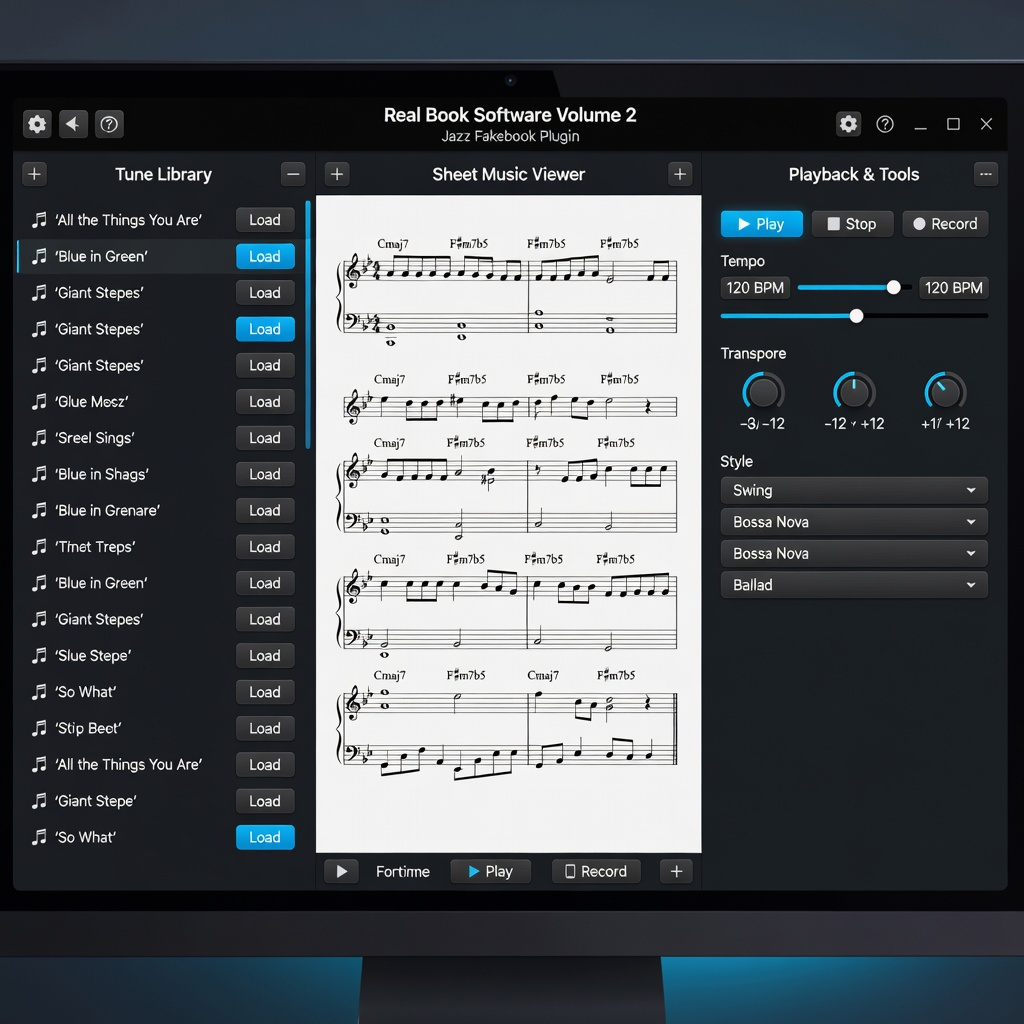
“Summertime,” appears in the Real Book Volume 2 Plugin for the Real Book Software and includes lead sheets in all four transpositions for jazz instruments – C, Bb, Eb, and Bass clef. The original artist recordings are provided along with Multitrack MIDI files.
Overview of “Summertime” and Its Significance
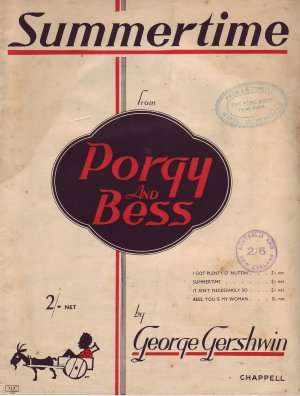
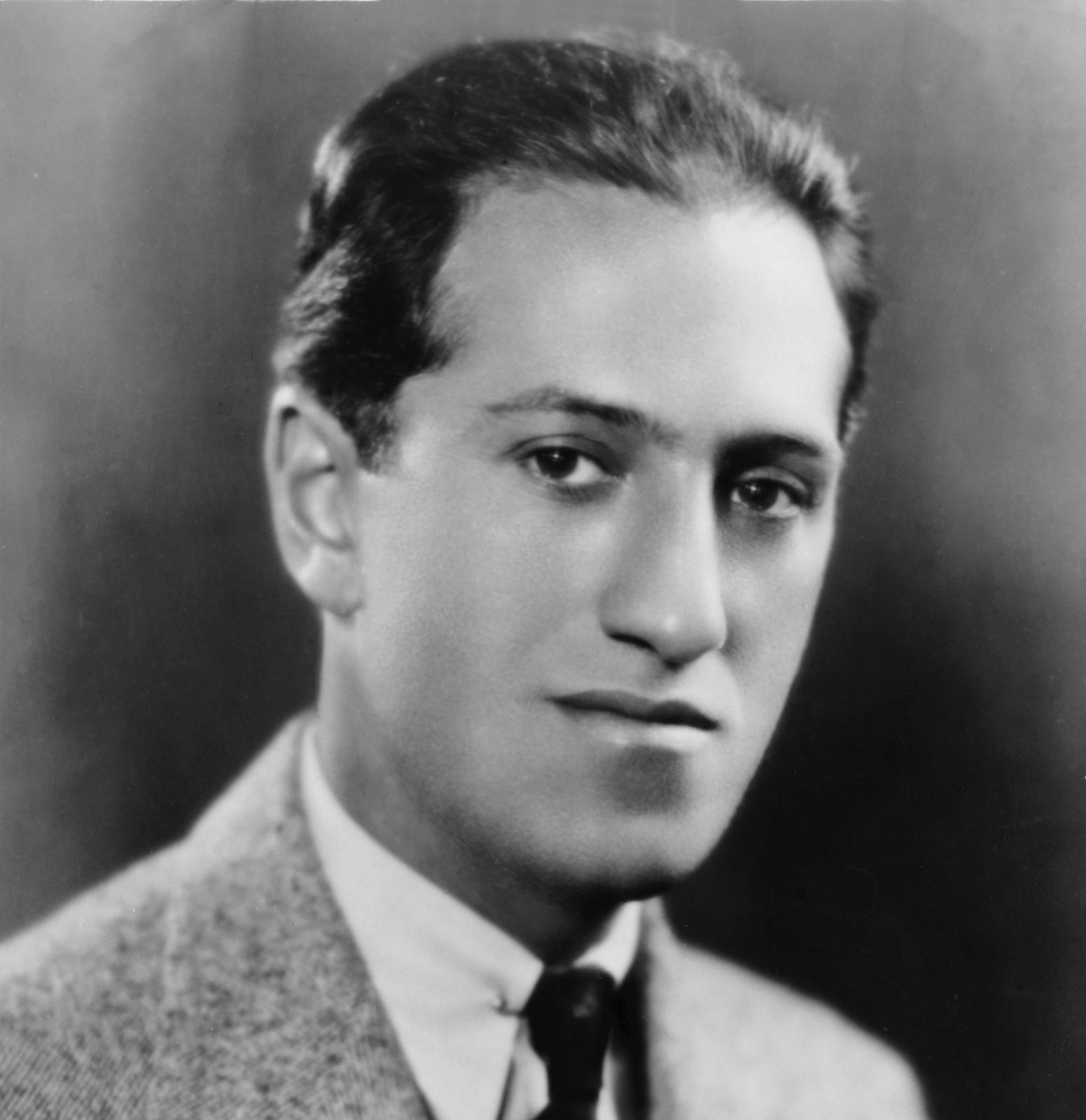
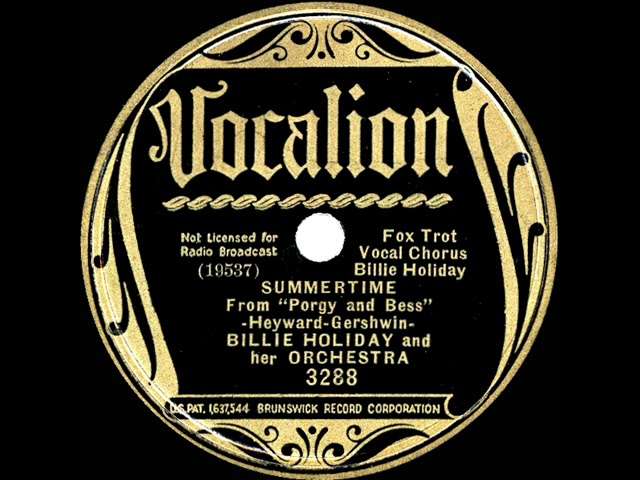
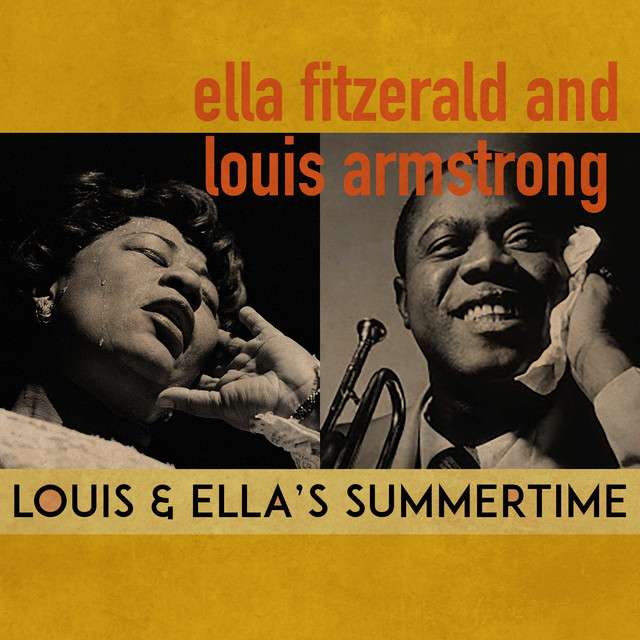

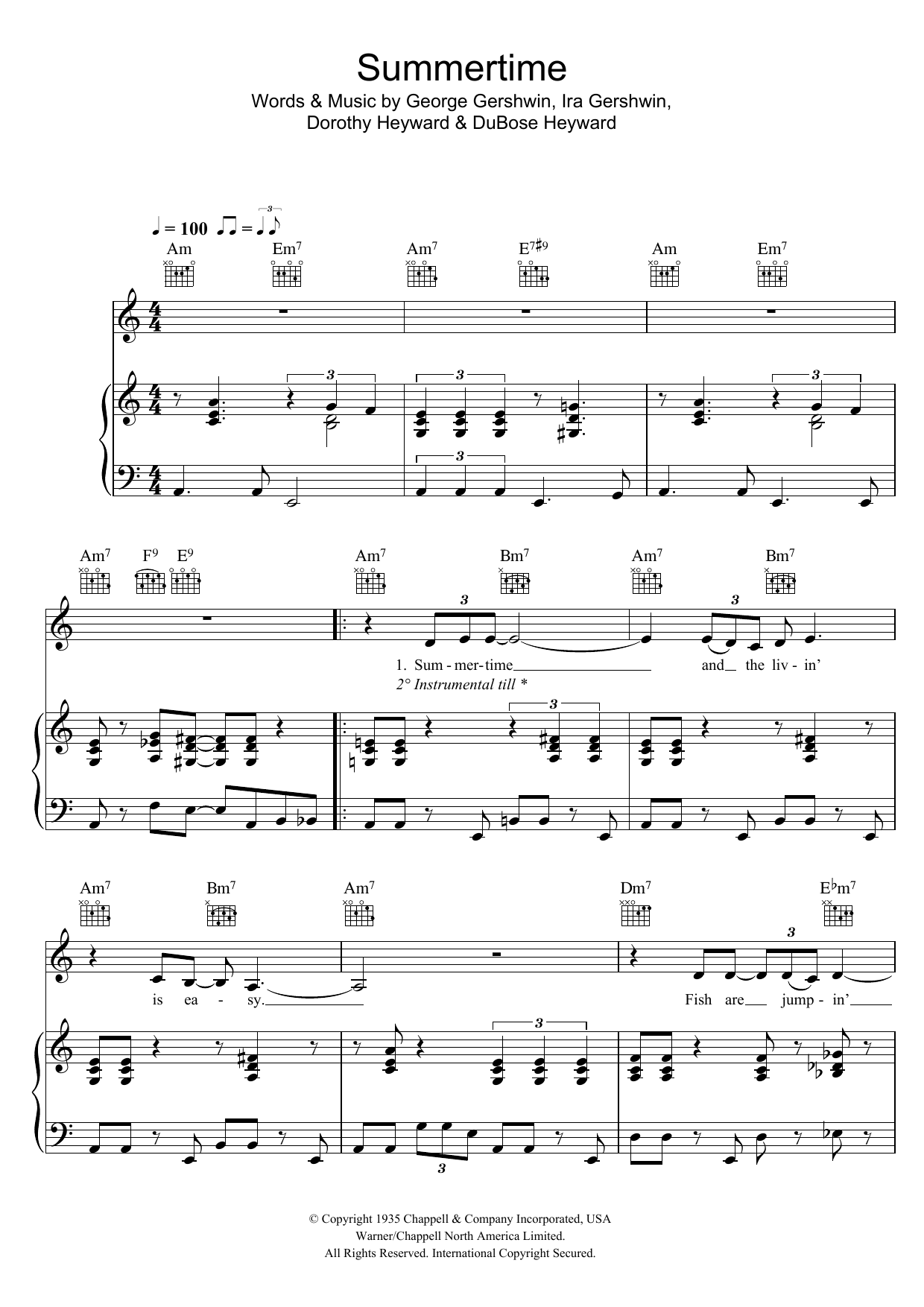


“Summertime,” an aria composed by George Gershwin in 1934 for the opera “Porgy and Bess,” stands as one of the most iconic pieces in the Great American Songbook. The lyrics, penned by DuBose Heyward, who also wrote the novel “Porgy,” complement Gershwin’s haunting melody to create a piece that transcends its origins. The song opens the opera, setting the scene with its languid, soothing lullaby sung by the character Clara to her baby. Its opening lines, “Summertime, and the livin’ is easy,” immediately evoke the heat and relaxation of a Southern summer, while also hinting at the deeper social and emotional currents that run through the opera.
The significance of “Summertime” extends beyond its role in “Porgy and Bess.” The song quickly became a jazz standard, widely recorded and performed by artists across multiple genres. Its simple yet evocative melody and harmonies have allowed for endless reinterpretations, each bringing new life and nuance to the piece. The transition of “Summertime” from an opera aria to a jazz standard exemplifies the fluid boundaries between classical and popular music, and its adaptability speaks to the universal themes of longing and comfort embedded in its notes and lyrics.
Musically, “Summertime” is a marvel of simplicity and depth. Composed in the key of A minor, it employs a bluesy, pentatonic scale that gives it an almost folk-like quality. Gershwin’s choice of key and his use of a repeating harmonic structure create a sense of both stasis and movement, mirroring the lullaby’s role as both a soothing and a haunting piece. This combination of musical elements has made “Summertime” a favorite among jazz musicians, who appreciate the song’s open structure as a canvas for improvisation.
The lyrics of “Summertime,” though deceptively simple, are rich with imagery and meaning. Heyward’s words capture the essence of the Southern landscape and lifestyle, while also conveying a sense of hope and resilience. The line “Your daddy’s rich and your mama’s good-lookin’” not only paints a vivid picture but also serves as a comforting reassurance. This interplay of simplicity and depth in both the lyrics and the music is a key reason why “Summertime” has remained relevant and beloved for nearly a century.
The impact of “Summertime” on the world of music and culture cannot be overstated. It has been recorded over 33,000 times, making it one of the most covered songs in history. Each artist brings their unique interpretation, showcasing the song’s versatility and enduring appeal. From its origins in a groundbreaking opera to its place as a jazz and pop standard, “Summertime” continues to resonate with audiences around the world, proving the timeless power of Gershwin’s composition and Heyward’s lyrics.
Background and Career of George Gershwin



George Gershwin, born Jacob Gershwine on September 26, 1898, in Brooklyn, New York, was one of the most influential American composers of the 20th century. From an early age, Gershwin exhibited a prodigious talent for music. His parents, Russian-Jewish immigrants, initially saw little future in his musical aspirations, but their views changed when Gershwin, at the age of 10, played a song on the family piano that he had learned entirely by ear. This marked the beginning of his journey into the world of music, where he would go on to blend elements of jazz, classical, and popular music into a uniquely American sound.
Gershwin’s career began in earnest at age 15 when he dropped out of school to work as a “song plugger” on Tin Pan Alley, a bustling center for the music publishing industry in New York City. This job involved promoting songs by playing them in music stores, a role that honed his skills as both a pianist and a composer. This environment provided Gershwin with a rich tapestry of musical styles, from the syncopated rhythms of ragtime to the emotive power of African American spirituals. His ability to absorb and synthesize these diverse influences is a testament to his musical genius.
During this period, Gershwin began composing his own pieces, leading to his first published song, “When You Want ‘Em, You Can’t Get ‘Em, When You Got ‘Em, You Don’t Want ‘Em” in 1916. Although this song was not a major hit, it marked the start of Gershwin’s professional career.
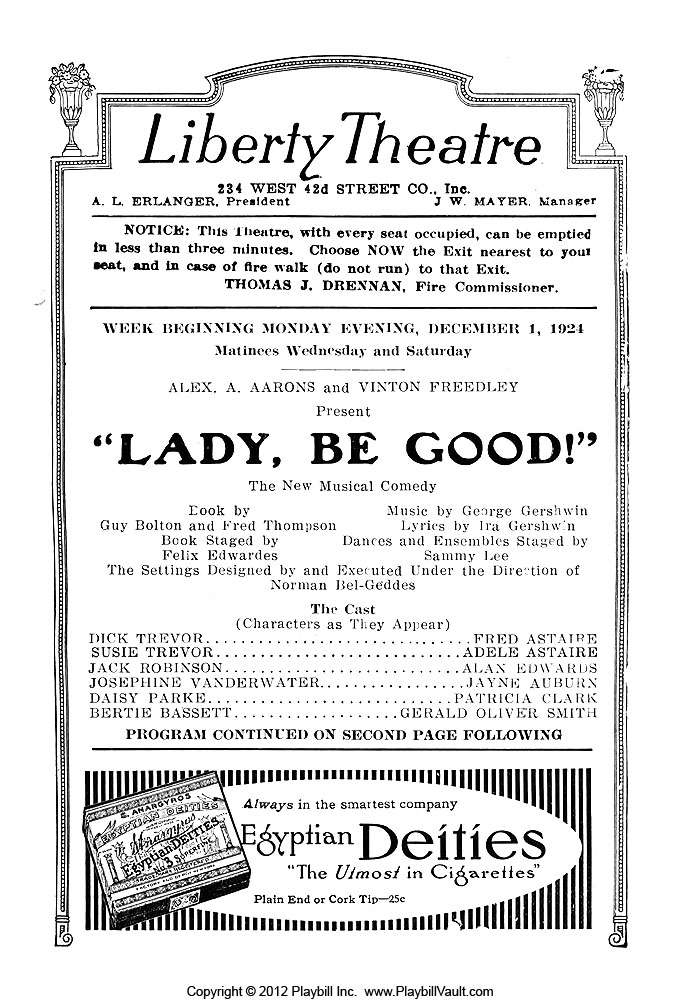
The 1920s were a defining decade for Gershwin. His song “Swanee,” performed by Al Jolson, became an enormous hit, bringing him national fame. Gershwin then ventured into Broadway, where he collaborated with his older brother Ira Gershwin, a lyricist. Together, they produced numerous successful musicals, including “Lady, Be Good!” (1924) and “Funny Face” (1927). These musicals featured songs that have since become standards in the American songbook, showcasing Gershwin’s ability to blend catchy melodies with sophisticated harmonies.
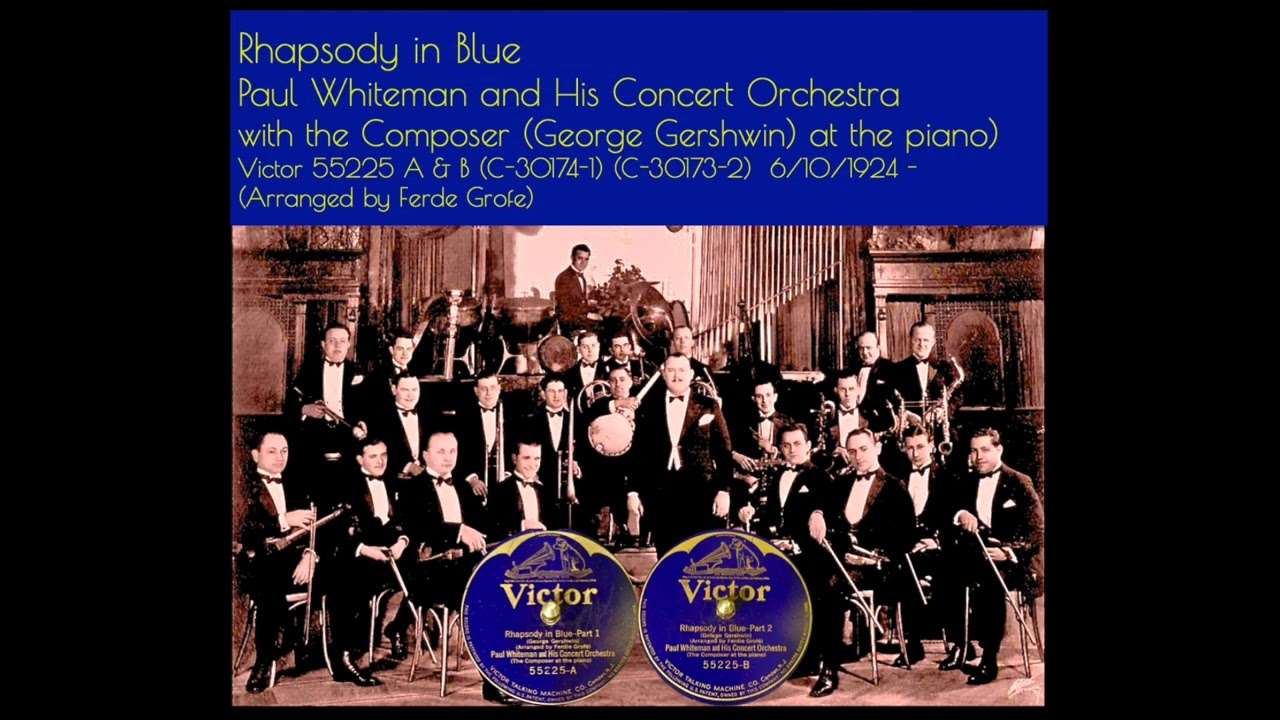
One of Gershwin’s most ambitious projects was the composition of “Rhapsody in Blue” in 1924, a piece that seamlessly fused classical music with jazz elements. Written for solo piano and jazz band, the piece incorporates elements of jazz such as blue notes, syncopation, and improvisation within a classical framework. “Rhapsody in Blue” was groundbreaking, demonstrating that jazz could be elevated to the concert hall and appreciated as a sophisticated art form. This work not only solidified Gershwin’s reputation as a serious composer but also helped legitimize jazz as an integral part of American music. Premiered by Paul Whiteman’s orchestra with Gershwin himself at the piano, “Rhapsody in Blue” was a pioneering piece that established Gershwin’s reputation as a serious composer.
Tragically, George Gershwin’s life was cut short when he died of a brain tumor on July 11, 1937, at the age of 38. Despite his brief career, Gershwin left an indelible mark on American music. His works continue to be performed and celebrated worldwide, reflecting his enduring influence on both classical and popular music. Gershwin’s ability to transcend musical boundaries and create universally appealing compositions ensures that his legacy lives on.
George Gershwin: A Musical Genius
Gershwin’s contributions to musical theatre are equally noteworthy. Alongside his brother Ira, a talented lyricist, Gershwin composed numerous Broadway hits that have become staples of the American songbook. Musicals such as “Strike Up the Band,” “Girl Crazy,” and “Of Thee I Sing” showcase Gershwin’s knack for creating catchy melodies and sophisticated harmonies. His music for the stage often blended comedic elements with deeper social commentary, reflecting the complexities of American society. The Gershwin brothers’ collaborations were marked by a seamless integration of music and lyrics, resulting in songs that continue to resonate with audiences today.
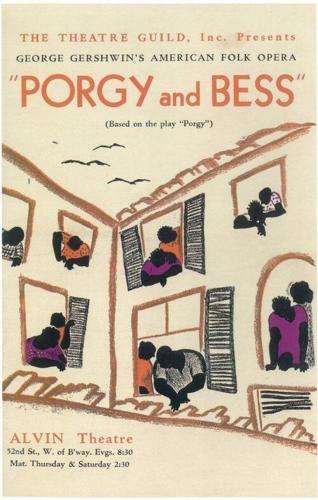
In the realm of opera, Gershwin’s “Porgy and Bess” stands out as a monumental achievement. Premiered in 1935, this “folk opera” is based on DuBose Heyward’s novel “Porgy” and incorporates elements of jazz, blues, and spirituals. “Porgy and Bess” is a poignant portrayal of African American life in the South, and its score includes some of Gershwin’s most enduring songs, such as “Summertime” and “It Ain’t Necessarily So.” Despite initial mixed reviews, the opera has gained recognition as one of the greatest American operatic works, celebrated for its innovative blending of musical styles and its profound emotional depth.
The Creation of “Summertime”

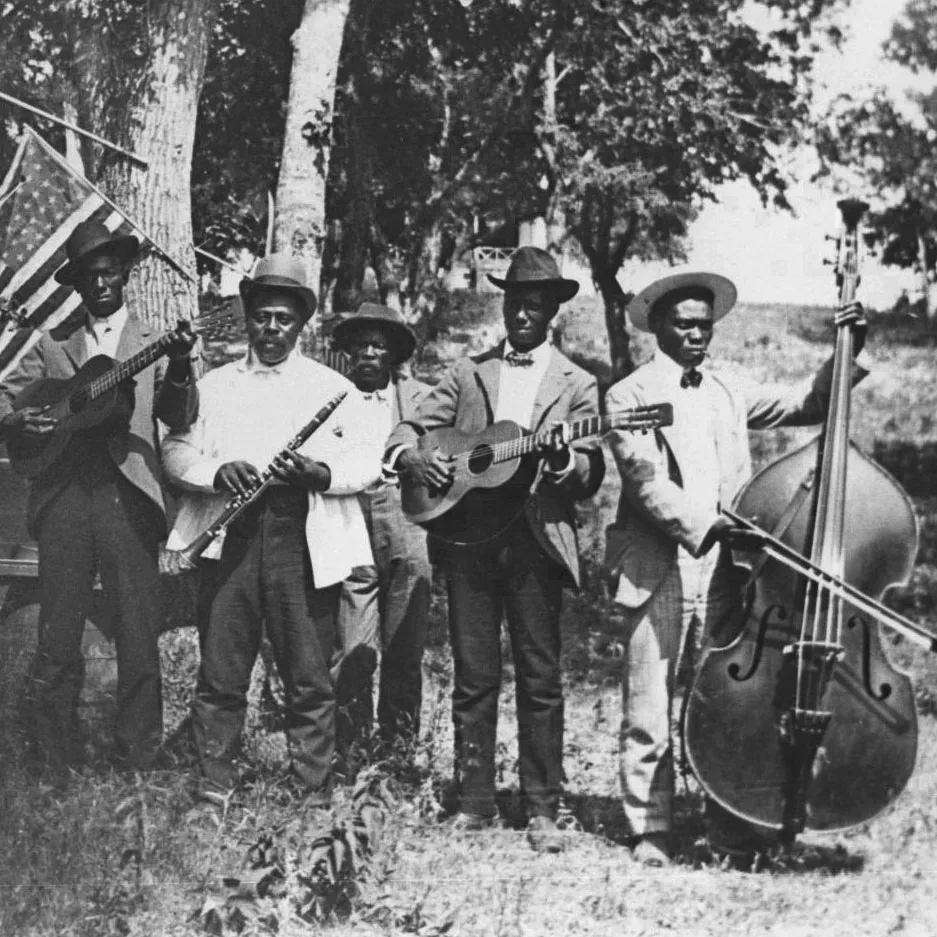
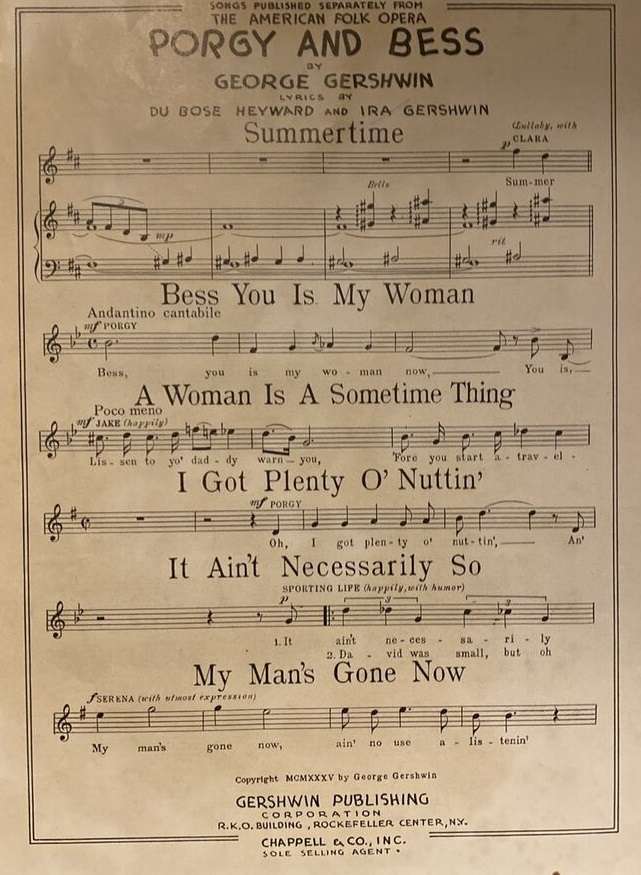


“Summertime,” composed by George Gershwin in 1934 for the opera “Porgy and Bess,” is one of the most enduring pieces in the American musical canon. The journey of this song began when Gershwin read DuBose Heyward’s novel “Porgy” in 1926. Captivated by the story, Gershwin envisioned it as an opera that would blend classical music with the rich tapestry of African American musical traditions. This innovative approach was ambitious, aiming to create a work that would resonate deeply with American audiences by reflecting the country’s diverse cultural heritage.
Gershwin’s collaboration with Heyward and his brother Ira Gershwin, who penned the libretto, was crucial in bringing “Porgy and Bess” to life. The team immersed themselves in the cultural context of the Southern United States, particularly the African American communities in Charleston, South Carolina. This research was pivotal for Gershwin, who wanted the opera’s music to authentically reflect the spirituals, blues, and folk songs of these communities. “Summertime” was conceived during this period, intended as a lullaby sung by the character Clara to her baby, evoking the soothing and soulful essence of a Southern summer.
The musical composition of “Summertime” is a masterful blend of simplicity and sophistication. Written in the key of A minor, the song employs a bluesy, pentatonic scale that gives it an almost folk-like quality. Gershwin’s use of a repeating harmonic structure, combined with the minor key, creates a haunting and melancholic tone. This musical foundation allows for a rich interplay of melody and harmony, making “Summertime” both accessible and deeply expressive. The song’s structure provided a perfect canvas for vocalists to infuse their interpretations with emotional depth.
The lyrics of “Summertime,” penned by DuBose Heyward, complement Gershwin’s melody with their poetic simplicity. The opening lines, “Summertime, and the livin’ is easy,” immediately evoke a sense of warmth and relaxation, while also hinting at the underlying struggles and hopes of the characters in “Porgy and Bess.” Heyward’s lyrics capture the duality of the African American experience in the South—joy and sorrow, hope and despair. This lyrical depth, coupled with Gershwin’s evocative melody, has made “Summertime” a timeless piece that continues to resonate with audiences.
The Cultural and Social Environment
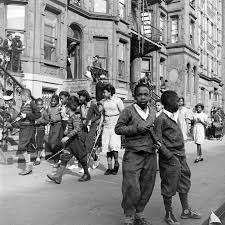
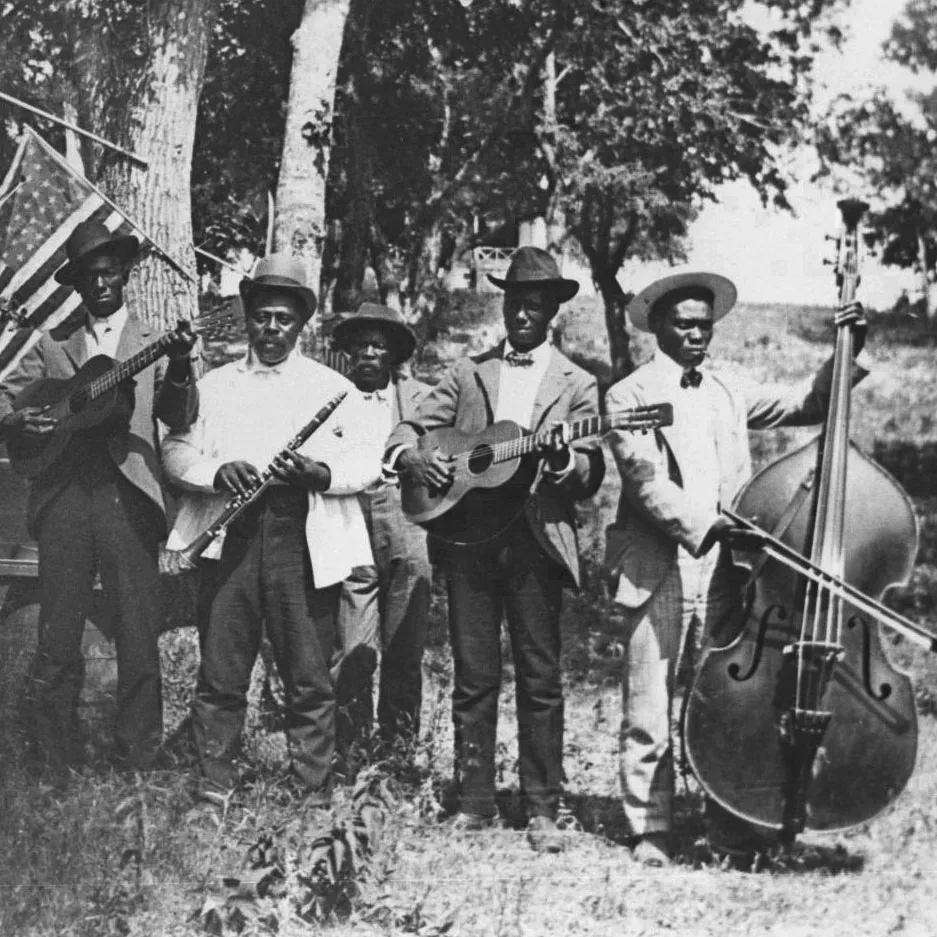
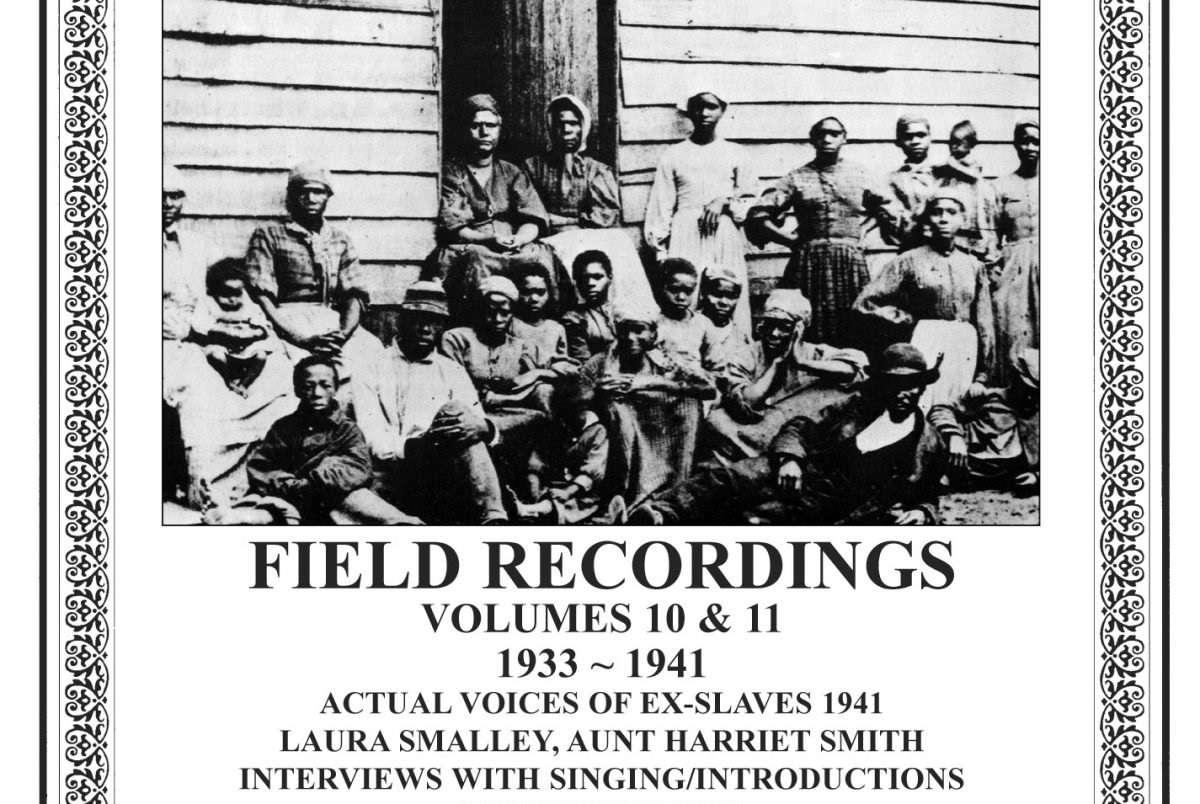
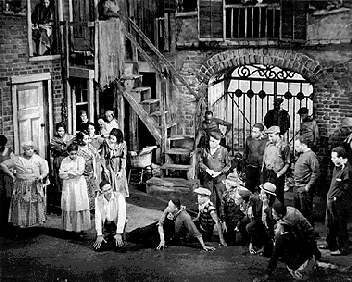
In the early 1930s, America was grappling with the Great Depression, a period marked by widespread economic hardship and social upheaval. Amidst this challenging backdrop, the cultural landscape of the United States was undergoing significant transformation. The Harlem Renaissance, a cultural, social, and artistic explosion centered in Harlem, New York, was in full swing. This movement, which began in the 1920s and continued into the 1930s, was characterized by a flourishing of African American culture, including literature, music, and art. It was within this rich cultural milieu that George Gershwin began to work on “Summertime,” aiming to create a piece that would reflect and elevate the musical traditions of African American communities.
Gershwin’s opera “Porgy and Bess,” for which “Summertime” was composed, was based on DuBose Heyward’s novel “Porgy.” Heyward’s work depicted the lives of African Americans in the South, specifically in Charleston, South Carolina. This setting provided a poignant backdrop for Gershwin’s composition, as he sought to authentically capture the essence of Southern African American life. The song “Summertime,” with its lullaby-like qualities and evocative lyrics, aimed to convey both the beauty and the struggles of this community. The cultural and social environment of the South during this period was marked by deep-seated racial segregation and economic disparity, themes that are subtly woven into the fabric of “Summertime.”
The 1930s also saw a growing interest in folk music and spirituals among mainstream audiences, partly fueled by the works of artists like the Lomax family, who documented and recorded traditional American folk songs. Gershwin was influenced by these movements and incorporated elements of African American spirituals into his compositions. “Summertime” reflects this synthesis, blending classical music structures with the soulful melodies and rhythms of spirituals. This fusion not only added depth and authenticity to the piece but also highlighted the rich musical heritage of African American communities, bringing it to a broader audience.
Despite its artistic ambitions, “Porgy and Bess” faced considerable challenges upon its debut in 1935. The opera was initially met with mixed reviews, and its portrayal of African American life was both praised and criticized. Some viewed it as a groundbreaking work that brought African American culture to the forefront of American opera, while others saw it as perpetuating racial stereotypes. Nevertheless, the piece, and “Summertime” in particular, resonated with audiences for its emotional depth and musical innovation. The cultural tensions of the time are reflected in the reception of “Porgy and Bess,” underscoring the complex interplay between art, culture, and social issues.
The Lyrics and Their Significance



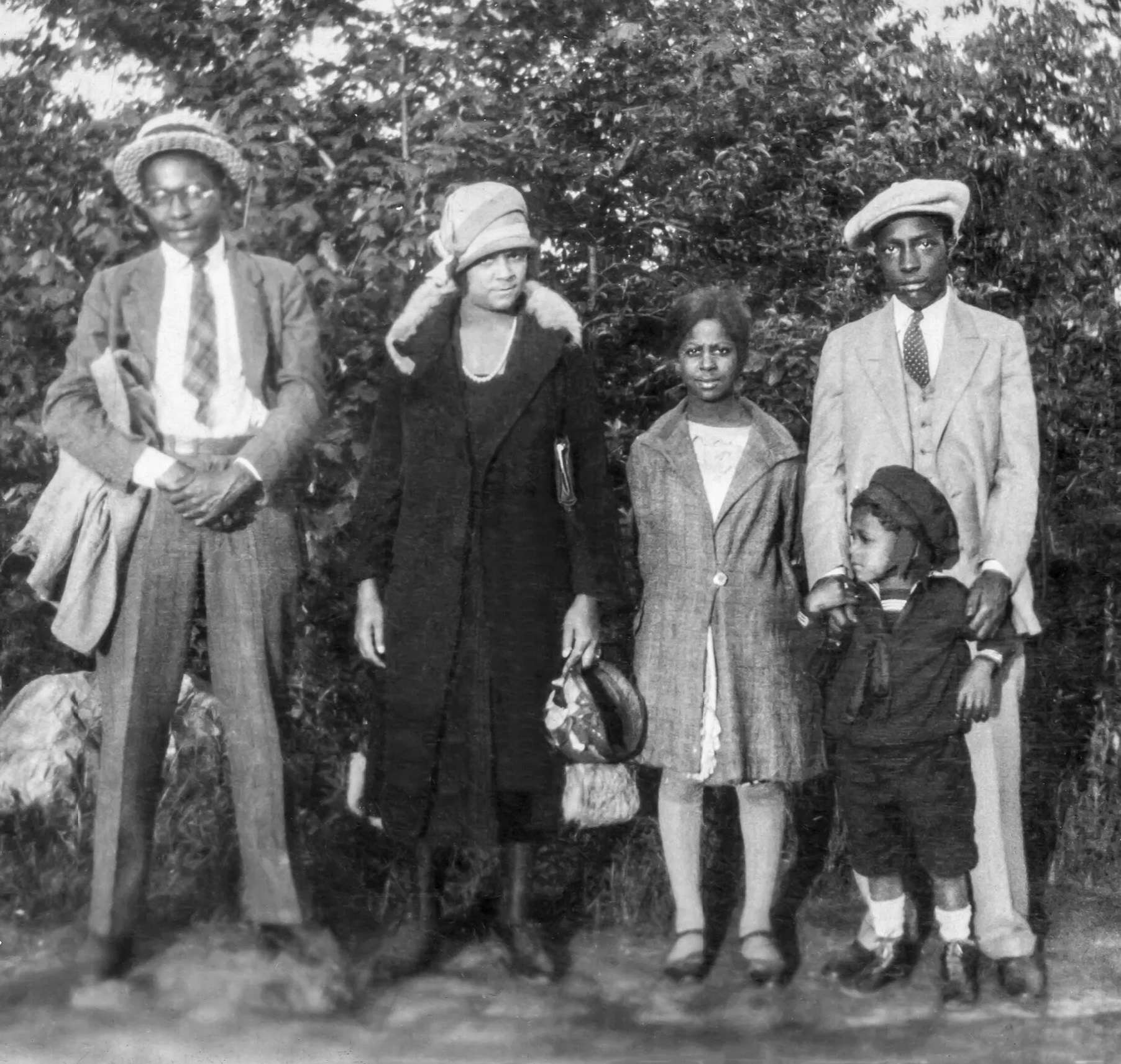
The lyrics of “Summertime,” written by DuBose Heyward for George Gershwin’s opera “Porgy and Bess,” open with the iconic lines, “Summertime, and the livin’ is easy / Fish are jumpin’ and the cotton is high.” These lines immediately set a scene of pastoral tranquility, evoking images of a warm summer day in the American South. The simplicity of the words belies their deeper significance, as they paint a picture of an idyllic life that contrasts sharply with the hardships faced by the characters in the opera. The mention of cotton, a crop historically associated with the exploitation of African American labor, subtly underscores the complexities of the social and economic realities of the time.
The second stanza, “Oh, your daddy’s rich and your ma is good-lookin’ / So hush, little baby, don’t you cry,” continues the lullaby’s theme of reassurance and comfort. These lines suggest a sense of security and prosperity, further reinforcing the idealized vision of life that the lullaby presents. However, in the context of the opera, these words take on a bittersweet tone. They are sung by Clara to her baby, but the audience knows that the reality for the characters in “Porgy and Bess” is far from easy. This juxtaposition highlights the tension between dreams and reality, a central theme in the opera.
As the song progresses, the lyrics “One of these mornings, you’re gonna rise up singing / Then you’ll spread your wings and you’ll take to the sky” introduce a note of aspiration and hope. These lines speak to the universal desire for a better future, one where the child will overcome the limitations imposed by their circumstances. The imagery of spreading wings and taking to the sky symbolizes freedom and transcendence, a powerful contrast to the grounded, earthbound life of struggle depicted in much of “Porgy and Bess.”
The final lines, “But ’til that morning, there’s a’nothing can harm you / With Daddy and Mammy standing by,” return to the theme of parental protection and security. This conclusion reinforces the comforting nature of the lullaby, providing a sense of closure and safety. Yet, it also subtly acknowledges the fragility of this comfort, as the characters’ lives are fraught with danger and uncertainty. The repetition of protective themes serves to underscore the precariousness of their situation, making the lullaby’s reassurance all the more poignant.
Musical Composition and Structure
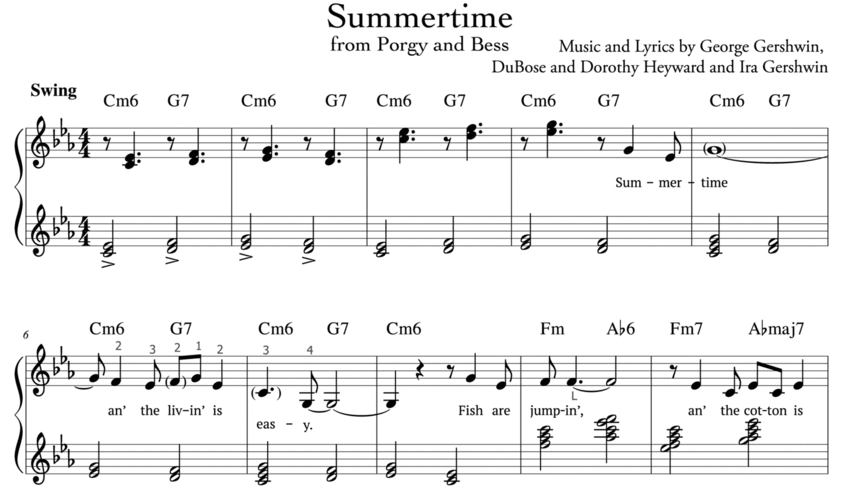
“Summertime,” composed by George Gershwin for the opera “Porgy and Bess,” is renowned for its elegant simplicity and deep emotional resonance. The song is written in A minor, which gives it a somber and reflective quality. This choice of key is significant as it aligns with the blues tradition, a genre deeply rooted in African American musical heritage. The use of a minor key, combined with the bluesy, pentatonic melody, imbues the song with a haunting, melancholic beauty that captures the listener’s attention from the very first note.
The structure of “Summertime” is built on a 16-bar form, a common structure in jazz and blues music. This form provides a balanced framework that allows for both repetition and variation. The harmony is relatively simple, primarily using I, IV, and V chords, which are the foundational chords in Western music. However, Gershwin’s genius lies in his ability to create subtle harmonic shifts that add depth and complexity to the piece. For instance, the transition from the tonic (A minor) to the subdominant (D minor) and dominant (E7) chords creates a sense of movement and progression, while maintaining the song’s overall contemplative mood.
One of the most striking features of “Summertime” is its melodic line. The melody is characterized by its smooth, lyrical quality and wide intervals, which give it a sense of expansiveness. Gershwin skillfully uses repetition and variation to enhance the song’s emotional impact. The repeated phrases create a hypnotic effect, drawing the listener into the song’s world, while the slight variations in each repetition prevent the melody from becoming monotonous. This balance between repetition and variation is a hallmark of Gershwin’s compositional style and is one of the reasons why “Summertime” remains so captivating.
The rhythm of “Summertime” plays a crucial role in its overall effect. The song’s slow, languid tempo reflects the ease and relaxation suggested by the lyrics, creating an atmosphere of calm and tranquility. Gershwin employs a steady, flowing rhythm that mirrors the gentle rocking of a lullaby, reinforcing the song’s soothing quality. The rhythmic patterns are simple yet effective, using syncopation and subtle variations to add interest and prevent the song from feeling static. This rhythmic foundation provides a solid base upon which the melodic and harmonic elements can shine.
“Summertime” also showcases Gershwin’s masterful orchestration. In the opera “Porgy and Bess,” the song is typically accompanied by a small ensemble, featuring instruments such as strings, clarinet, and muted trumpet. This orchestration adds a rich, textural layer to the song, enhancing its emotional depth. The interplay between the voice and the instruments creates a delicate balance, allowing the melody to stand out while still being supported by the lush harmonies of the accompaniment. Gershwin’s use of orchestration is a testament to his ability to blend different musical elements into a cohesive and compelling whole.
First Performances of “Summertime”
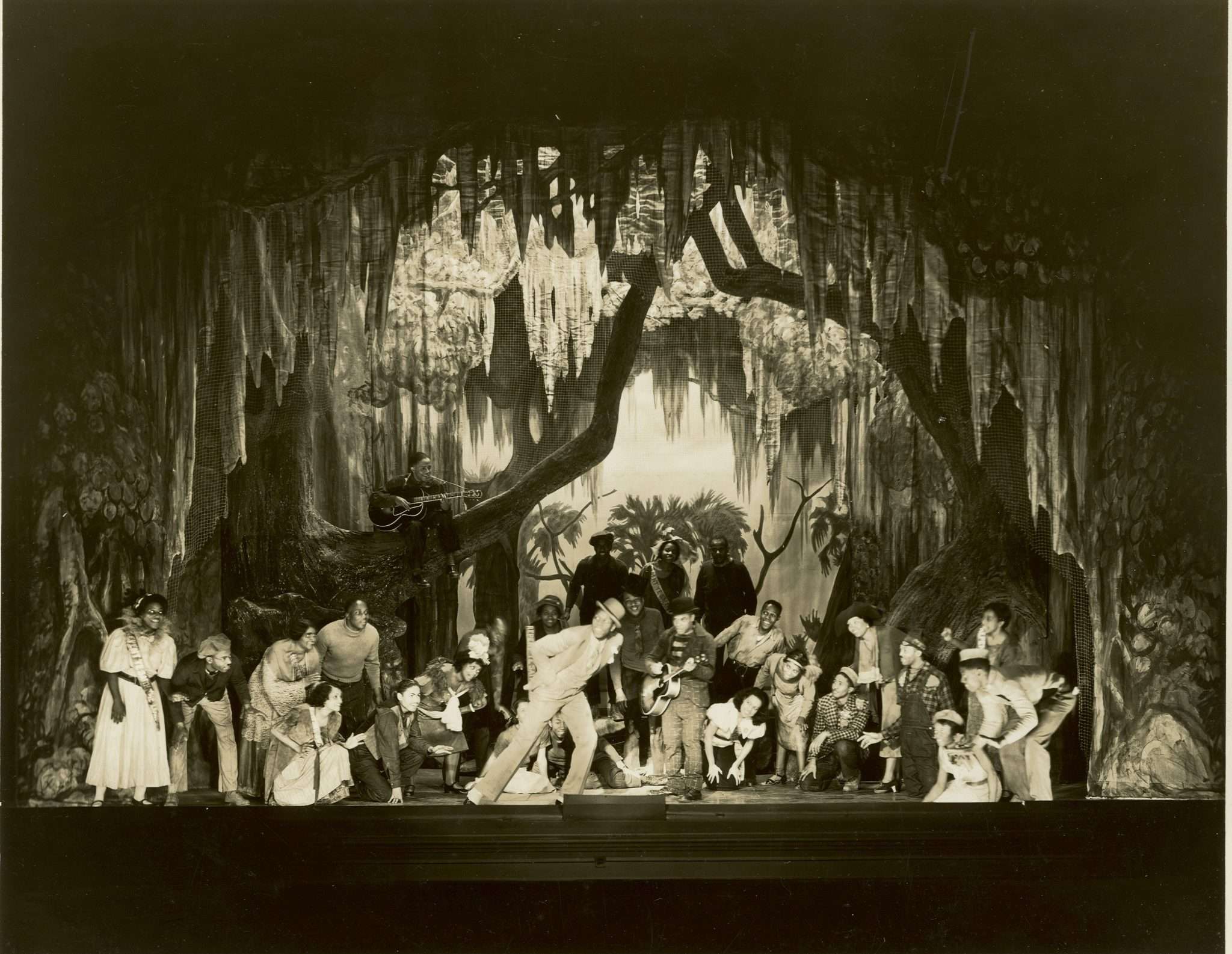
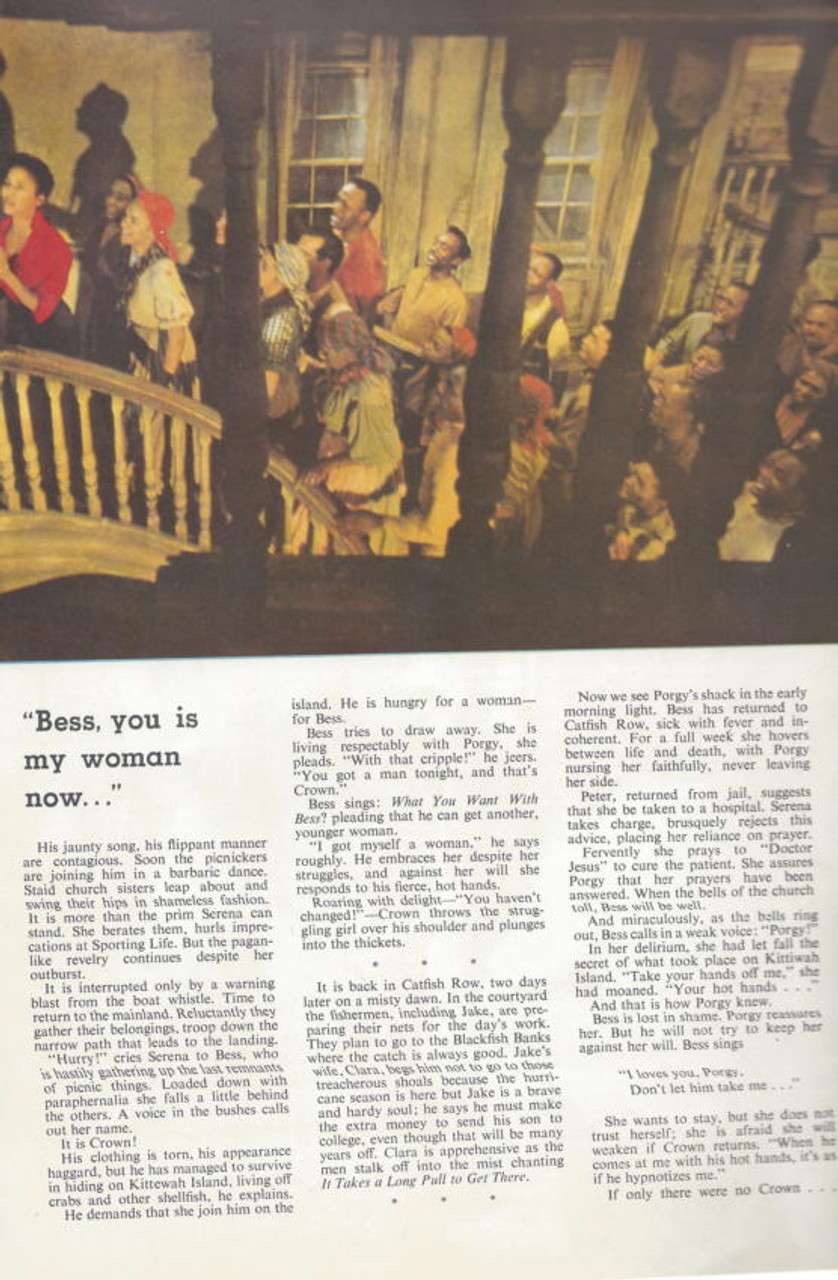
Porgy and Bess,” made its debut on October 10, 1935, at the Alvin Theatre in New York City. The initial performance featured the talented Abbie Mitchell as Clara, who delivered the haunting lullaby with a poignant mix of tenderness and melancholy. This debut was significant as it introduced audiences to a song that would become one of the most enduring pieces in the American musical canon. The audience’s reaction was overwhelmingly positive, captivated by the song’s emotive power and melodic beauty.
The first performances of “Summertime” were groundbreaking not only for their musical brilliance but also for their cultural significance. “Porgy and Bess” was one of the first operas to feature an entirely African American cast, which was a bold and progressive move at the time. This decision by Gershwin and his collaborators was a statement against the racial segregation prevalent in American society. The initial performances helped to pave the way for greater representation of African American artists in mainstream American theater and opera.
The early performances of “Summertime” were also marked by the critical acclaim that the song and the opera received. Critics praised Gershwin’s ability to blend classical music with jazz and blues elements, creating a unique and authentic sound that resonated deeply with audiences. Despite some initial mixed reviews about the opera as a whole, “Summertime” stood out as a highlight, with many critics noting its lyrical beauty and emotional depth. This critical recognition helped to establish “Summertime” as a significant work in American music.
The impact of the initial performances of “Summertime” extended beyond the United States. As “Porgy and Bess” toured internationally, the song introduced global audiences to the richness of American musical traditions. The opera’s performances in Europe and other parts of the world were met with enthusiasm, and “Summertime” quickly became a favorite among international audiences. This global reach helped to solidify the song’s status as a timeless piece that transcends cultural and geographical boundaries.
Master This Style
Deepen your practice with the professional tools used by jazz masters.