Everybody Digs Bill Evans
A full portrait of Bill Evans’ life, musical innovations, landmark collaborations, and enduring influence on jazz piano.
Originally published on RealBookSoftware.com
Everybody Digs Bill Evans
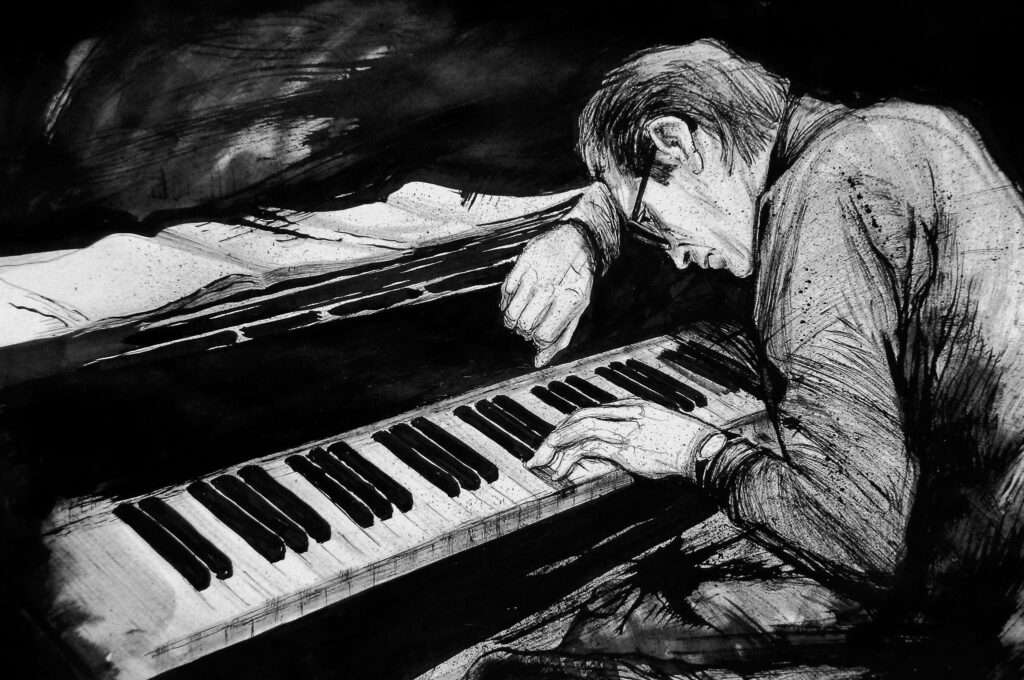
Bill Evans stands as one of the most influential jazz pianists of the 20th century, renowned for his innovative approach and profound impact on the genre. His name is synonymous with virtuosity and emotional depth, captivating audiences worldwide. Throughout his career, Evans continually pushed the boundaries of jazz piano, influencing generations of musicians.
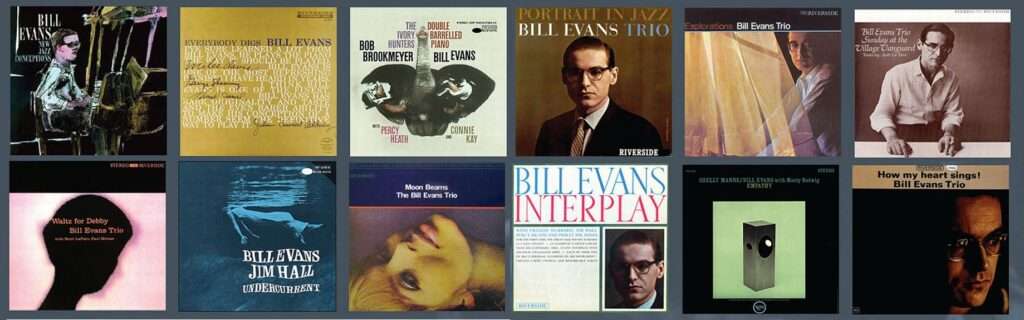
Bill Evans’ influence on jazz piano is unparalleled, marking him as a pivotal figure in the evolution of modern jazz. His approach to the piano was innovative, characterized by a unique blend of classical precision and jazz improvisation. Evans’ music was not merely a showcase of technical skill but a profound expression of emotion and artistry. He had an extraordinary ability to convey deep feelings through his playing, creating a sound that was both intricate and accessible. His performances captivated audiences, drawing them into a world of nuanced melodies and sophisticated harmonies. Evans’ dedication to his craft and his relentless pursuit of musical excellence set him apart from his contemporaries and established his legacy as one of the greatest pianists in jazz history.

The emotional depth of Bill Evans’ music is one of the defining features of his artistry. Unlike many jazz musicians who focused on technical virtuosity and speed, Evans prioritized emotional expression and lyrical beauty. His playing was characterized by a delicate touch and a sensitivity to the nuances of each note, creating a sound that was both intimate and expansive. Evans’ ability to evoke a wide range of emotions, from melancholy to joy, resonated with listeners on a deeply personal level. This emotional richness, combined with his technical mastery, made his music timeless and universally appealing. Evans’ compositions and improvisations were a testament to his ability to communicate profound emotional truths through the language of jazz.

Throughout his career, Bill Evans continually pushed the boundaries of jazz piano, exploring new harmonic and rhythmic possibilities. He was a pioneer in the use of modal jazz, a style that emphasizes musical modes rather than traditional chord progressions. This approach allowed Evans to create more fluid and exploratory compositions, breaking away from the constraints of conventional jazz forms. His innovative use of harmony and his complex, interwoven melodic lines set a new standard for jazz pianists. Evans’ influence extended beyond his own performances; his techniques and ideas were adopted by countless musicians, shaping the development of modern jazz. His work with legendary figures like Miles Davis further solidified his position as a key innovator in the genre.


Bill Evans’ legacy is not only reflected in his recordings and performances but also in his impact on future generations of musicians. His innovative approach to jazz piano has inspired countless pianists to explore new musical directions and to push the boundaries of their own artistry. Evans’ influence can be seen in the works of many contemporary jazz musicians who have drawn inspiration from his harmonic sophistication and lyrical style. His contributions to jazz education are also significant, with his recordings and compositions serving as essential study material for aspiring jazz musicians. Evans’ legacy is a testament to his enduring influence on the world of jazz and his role as a pioneering force in the evolution of the genre.
Early Life and Musical Beginnings

Born in the modest town of Plainfield, New Jersey, on August 16, 1929, Bill Evans' early years were marked by a deep immersion in music. Plainfield, a town with a rich cultural tapestry, provided a nurturing environment for the young Evans. His mother, an amateur pianist with a profound love for music, recognized her son's potential early on and encouraged his musical pursuits. The Evans household was often filled with the sounds of classical music, which played a crucial role in shaping Bill's early musical sensibilities. This early exposure to the structured and expressive world of classical music would later influence his innovative approach to jazz.

At the tender age of six, Evans began his formal piano lessons under the guidance of his mother. These lessons were not just about learning to play an instrument but also about understanding the language of music. His mother instilled in him a rigorous practice routine, emphasizing the importance of discipline and perseverance. This early training was instrumental in developing his technical proficiency and musicality. Evans quickly showed a natural aptitude for the piano, his small hands effortlessly navigating the keys with precision and grace. The discipline and dedication he cultivated during these formative years laid a solid foundation for his future musical endeavors.
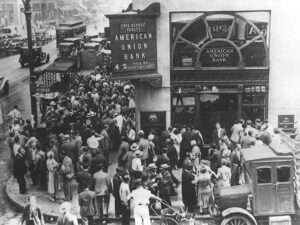
Despite the idyllic musical environment at home, Evans' childhood was not without its challenges. Growing up during the Great Depression, his family faced significant financial hardships. These tough times meant that resources were scarce, and luxuries like piano lessons were hard to come by. However, Evans' passion for music never waned. His determination to pursue his musical dreams was unwavering, and he often found creative ways to continue his practice. Whether it was playing on an old, out-of-tune piano or practicing on makeshift keyboards drawn on paper, Evans' commitment to his craft was evident. This resilience and resourcefulness would become defining traits in his career.

As Evans progressed in his musical journey, his exposure to different musical styles expanded. While his initial training was rooted in classical music, he soon discovered the world of jazz. The improvisational nature of jazz, with its emphasis on spontaneity and personal expression, captivated young Evans. He began to explore jazz recordings, spending countless hours listening to the works of jazz greats like Duke Ellington and Art Tatum. These explorations broadened his musical horizons and inspired him to experiment with blending classical techniques with jazz improvisation. This fusion of styles became a hallmark of his unique sound.
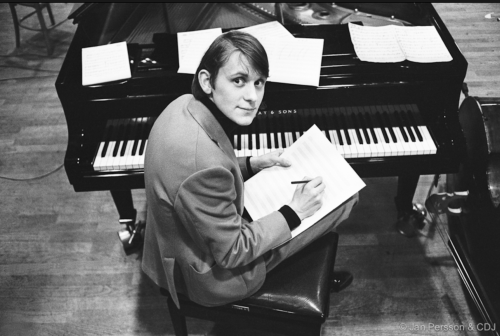
Bill Evans' early experiences with music were a testament to his innate talent and unrelenting passion. His journey from a young boy in Plainfield, New Jersey, to a budding jazz pianist was marked by perseverance, creativity, and an unyielding commitment to his craft. The foundation laid during these formative years would propel him toward a remarkable career, characterized by innovation and emotional depth. Despite the adversities he faced, Evans' love for music remained a constant driving force, guiding him on a path that would ultimately lead him to become one of the most influential jazz pianists of the 20th century.
Exploring the Bill Evans Songs and Solos Plugin

The Bill Evans Songs and Solos Plugin on RealBookSoftware.com offers an invaluable resource for musicians and educators. Featuring 94 unique charts and solos, along with original recordings, this plugin provides an in-depth exploration of Evans' music, allowing users to study and perform his compositions.
Influences and Inspirations

Bill Evans' journey in higher education began at Southeastern Louisiana University, where he was awarded a music scholarship. This opportunity was not just a stepping stone but a pivotal moment that significantly shaped his musical career. At Southeastern, Evans immersed himself in the rigorous study of classical piano and music theory. The university's music program was comprehensive, offering him access to a wealth of knowledge and resources. His education was characterized by intense practice sessions, theoretical coursework, and exposure to a wide range of classical compositions. This period was crucial in honing his technical skills and deepening his understanding of music's structural complexities.
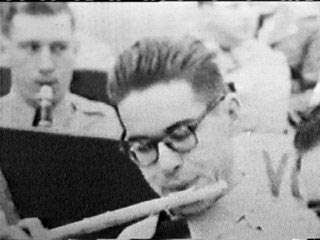
Like many skilled musicians, Evans had experience playing more than one instrument. Starting at age seven, he played violin for a time. By high school he had taken up the flute and piccolo, and during his studies at Southeastern Louisiana, he was first flute in the concert band. The structured environment of Southeastern Louisiana University provided Evans with a solid foundation in music fundamentals. He was trained to approach music with discipline and precision, attributes that were vital in his later works. The curriculum at Southeastern was designed to ensure that students not only mastered their instruments but also gained a thorough grounding in music theory, history, and composition. Evans excelled in this environment, demonstrating an exceptional ability to grasp complex musical concepts. This solid grounding allowed him to develop a versatile skill set, which he would later apply to his explorations in jazz. His time at Southeastern was marked by a relentless pursuit of excellence, setting the stage for his future innovations in music.
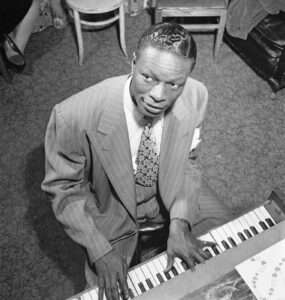
During his army service in the Korean War, Bill Evans was stationed at Fort Sheridan, located north of Chicago. While he performed on the flute and piccolo with the Fifth Army Band, Evans also honed his jazz piano skills by frequenting Chicago's jazz clubs during his off-duty hours. It was during this time that he met composer Earl Zindars who later composed "Elsa" and "How My Heart Sings," — pieces that would become staples in Evans's performances. Zindars and another army friend, Bill Scott, were impressed by Evans's ability to play jazz on the flute, including renditions of Charlie Parker's music, a remarkable achievement.
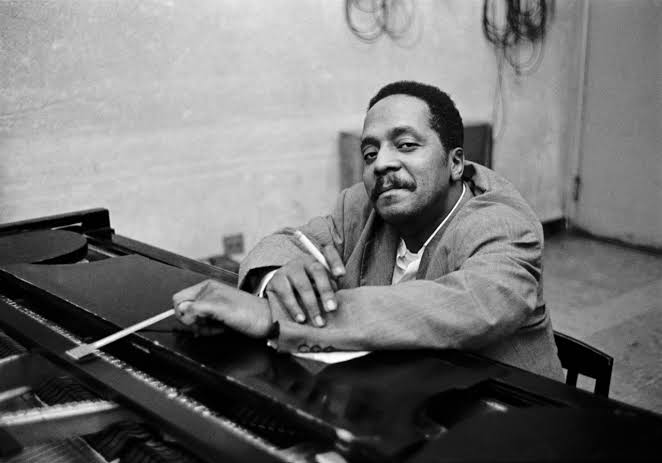
In addition to his classical studies, Evans' musical education at Southeastern was enriched by his exposure to jazz. While his formal training was rooted in classical traditions, he was also deeply influenced by the world of jazz. Southeastern provided a conducive environment for exploring diverse musical genres, and Evans took full advantage of this. He spent countless hours listening to jazz recordings, studying the works of legendary jazz musicians like Bud Powell and Nat King Cole. These jazz greats profoundly influenced his musical style, inspiring him to incorporate elements of jazz into his classical training. This fusion of styles became a hallmark of Evans' unique sound, blending the technical precision of classical music with the improvisational freedom of jazz.
The influence of Bud Powell and Nat King Cole on Evans' musical development cannot be overstated. Bud Powell's pioneering bebop style and complex harmonies opened new vistas for Evans, encouraging him to experiment with unconventional chord progressions and intricate melodies. Nat King Cole's smooth, lyrical playing and sophisticated arrangements offered a different perspective, highlighting the emotive potential of jazz piano. These influences were instrumental in shaping Evans' approach to music, driving him to create a sound that was both innovative and deeply expressive. His ability to seamlessly blend these influences with his classical training set him apart as a pianist and composer.
Evans' formal music education at Southeastern Louisiana University was a transformative experience that laid the foundation for his illustrious career. The rigorous training, combined with his exposure to both classical and jazz music, equipped him with the skills and knowledge needed to push the boundaries of jazz piano. His time at Southeastern was marked by a relentless pursuit of musical excellence, a trait that would define his entire career. Evans' ability to fuse the structured discipline of classical music with the improvisational spirit of jazz resulted in a unique, innovative sound that left an indelible mark on the world of music. The foundational education he received at Southeastern was instrumental in shaping his artistic vision and ensuring his place as one of the most influential jazz pianists of the 20th century.
Early Career and Initial Success
By the mid-1950s, Bill Evans had firmly established himself within the New York jazz scene. His reputation as a versatile and innovative pianist began to spread, and he became a sought-after collaborator. Evans worked with a variety of artists, each collaboration enriching his musical repertoire and expanding his stylistic range. His ability to seamlessly blend into different ensembles while maintaining his unique voice made him a valuable asset to any musical project. During this time, Evans played with renowned jazz figures such as Tony Scott, Charles Mingus, and George Russell. These collaborations not only honed his skills but also provided him with invaluable experience and exposure, further solidifying his standing in the jazz community.
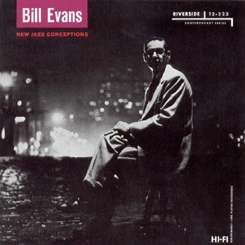
The release of his debut album, “New Jazz Conceptions,” in 1956 marked a pivotal moment in Bill Evans’ career. The album, featuring bassist Teddy Kotick and drummer Paul Motian, was a bold statement of his artistic vision. “New Jazz Conceptions” showcased Evans’ lyrical improvisation and sophisticated harmonic sensibility, elements that would become trademarks of his style. The album included original compositions like “Waltz for Debby,” which would go on to become one of his most famous and frequently covered pieces. The intricate interplay between the musicians and the innovative use of harmonic structures on this album captured the attention of critics and jazz aficionados alike, establishing Evans as a formidable force in the jazz world.
Evans’ approach to jazz piano was distinctively introspective and emotive, qualities that were evident in his early recordings. His playing style was characterized by a delicate touch and a deep sense of lyricism, which brought a new level of expressiveness to jazz piano. Unlike many of his contemporaries who favored fast tempos and virtuosic displays, Evans focused on creating rich, textured harmonies and exploring the emotional depths of each composition. This introspective approach resonated with listeners and set him apart from other pianists of the time. His ability to convey complex emotions through his music made his performances deeply moving and memorable, earning him a dedicated following.
The success of “New Jazz Conceptions” set the stage for Bill Evans’ future achievements and innovations. The album’s critical acclaim opened doors for more high-profile collaborations and recording opportunities. As Evans continued to develop his style and expand his musical horizons, he remained committed to his artistic principles, constantly pushing the boundaries of jazz piano. His subsequent works built upon the foundation laid by his debut album, further cementing his legacy as one of the most influential jazz musicians of his era. Evans’ early career, marked by rapid development and significant achievements, was just the beginning of a journey that would leave an indelible mark on the history of jazz.
Collaboration with Miles Davis
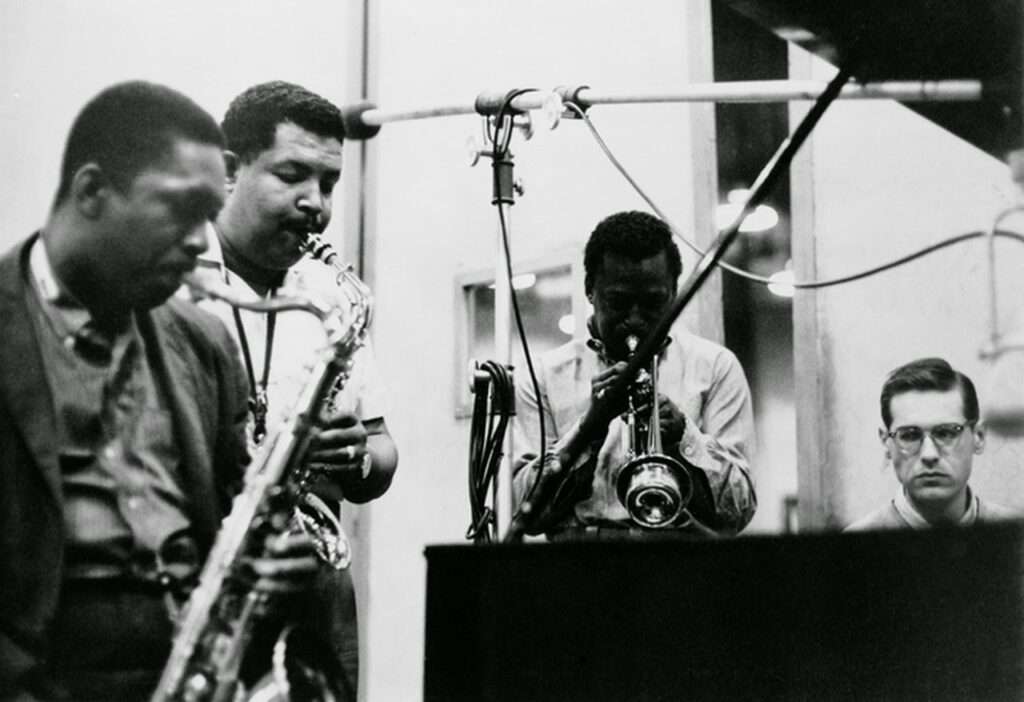
In 1958, Bill Evans joined the Miles Davis Sextet, a move that would prove to be one of the most pivotal points in his career. At the time, Miles Davis was already an established force in the jazz world, renowned for his innovative approach and his ability to bring out the best in his band members. Evans’ inclusion in the sextet was a testament to his growing reputation as a pianist of exceptional talent and vision. His delicate touch and deep understanding of harmony made him an ideal fit for Davis’ evolving sound. The chemistry between Evans and Davis was immediate and profound, laying the groundwork for one of the most influential collaborations in jazz history.
Evans’ contributions to “Kind of Blue” extended beyond his technical prowess on the piano. He also played a significant role in shaping the album’s conceptual framework. Davis and Evans shared a deep intellectual and musical rapport, often discussing theoretical concepts and the philosophical underpinnings of their music. This intellectual synergy was reflected in the music they created together. Evans’ compositions “Blue in Green” and “Flamenco Sketches” were highlights of the album, showcasing his ability to blend complex harmonic ideas with profound emotional expression. These pieces exemplified the modal approach, with their open-ended structures allowing for expansive and contemplative improvisations.
The critical and commercial success of “Kind of Blue” brought Evans widespread acclaim and solidified his status as a leading figure in jazz. His sensitive accompaniment and innovative improvisations were lauded by critics and fellow musicians alike. The album’s impact was immediate and far-reaching, influencing not only jazz musicians but also artists across various genres. Evans’ playing on “Kind of Blue” was characterized by its introspective and lyrical quality, a stark contrast to the more aggressive and virtuosic styles of his contemporaries. This distinctive approach resonated deeply with listeners, further establishing Evans’ unique voice in the jazz world.
The collaboration with Miles Davis was transformative for Bill Evans, both personally and professionally. It propelled him into the spotlight and provided a platform for his innovative ideas to reach a broader audience. The experience also deepened his musical and intellectual growth, enriching his subsequent work as a solo artist and leader of his own ensembles. Evans’ time with the Miles Davis Sextet was relatively brief, but its impact was profound and enduring. The music they created together, particularly on “Kind of Blue,” remains a touchstone in the history of jazz, a testament to the power of collaboration and the enduring legacy of two of the genre’s most visionary artists.
Kind of Blue and Modal Jazz
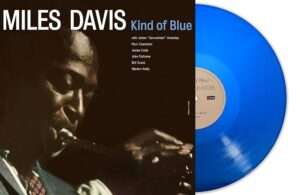
Bill Evans’ work on “Kind of Blue” was nothing short of groundbreaking, representing a significant evolution in the realm of jazz. Released in 1959, the album marked a departure from the traditional chord-based improvisation that had dominated jazz, introducing a modal approach that emphasized scales or modes rather than fixed chord progressions. This shift allowed for greater freedom and creativity in improvisation, enabling musicians to explore new harmonic and melodic possibilities. Evans’ contributions were pivotal in this transformation, as his sophisticated harmonic sense and lyrical improvisational style perfectly complemented the modal framework. His playing on “Kind of Blue” exemplified a new direction in jazz, one that was both innovative and deeply expressive.
The track “So What,” which opens the album, is a prime example of how Evans’ unique style meshed with the modal approach. The piece is built around a simple two-chord structure that provides a vast canvas for improvisation. Evans’ piano introduction sets the tone, with a series of modal chords that establish the piece’s harmonic foundation. His playing is both subtle and profound, creating a sense of spaciousness that invites the listener into the music. As the piece progresses, Evans’ interplay with the other musicians, particularly Miles Davis, showcases his ability to weave complex harmonies and melodic lines seamlessly into the modal structure. His sensitivity to dynamics and timing adds depth to the composition, making “So What” a masterclass in modal jazz.
“Blue in Green,” another standout track from the album, further illustrates Evans’ mastery of harmony and melody. The piece, which is often attributed to both Evans and Davis, is a hauntingly beautiful ballad that showcases Evans’ ability to convey deep emotion through music. The modal structure of “Blue in Green” allows for an open, flowing improvisational style that is both contemplative and evocative. Evans’ delicate touch on the piano and his use of space and silence create a sense of introspection and melancholy. His improvisations are marked by a lyrical quality that highlights his melodic sensibility, making “Blue in Green” one of the most enduring and beloved pieces in the jazz canon.
Evans’ role in the creation of “Kind of Blue” extended beyond his performances to the conceptual development of the album. His deep understanding of modal jazz and his innovative approach to harmony were integral to the album’s overall sound. Evans’ influence is evident in the way the compositions are structured, with an emphasis on simplicity and clarity that allows for greater expressive freedom. His collaboration with Miles Davis was marked by a mutual respect and a shared vision for pushing the boundaries of jazz. This partnership resulted in music that was not only groundbreaking but also timeless, with “Kind of Blue” continuing to be hailed as one of the greatest jazz albums ever recorded.
The impact of Evans’ work on “Kind of Blue” cannot be overstated. The album’s success solidified his place in jazz history and influenced countless musicians across genres. Evans’ innovative use of modal jazz opened new avenues for improvisation and composition, setting a new standard for harmonic and melodic development in jazz. His contributions to “Kind of Blue” demonstrated his exceptional talent and his ability to transcend traditional musical boundaries. The album remains a testament to his genius, a milestone that continues to inspire and captivate listeners around the world. Evans’ work on “Kind of Blue” is a cornerstone of his legacy, underscoring his profound impact on the evolution of jazz.
Formation of Bill Evans Trio
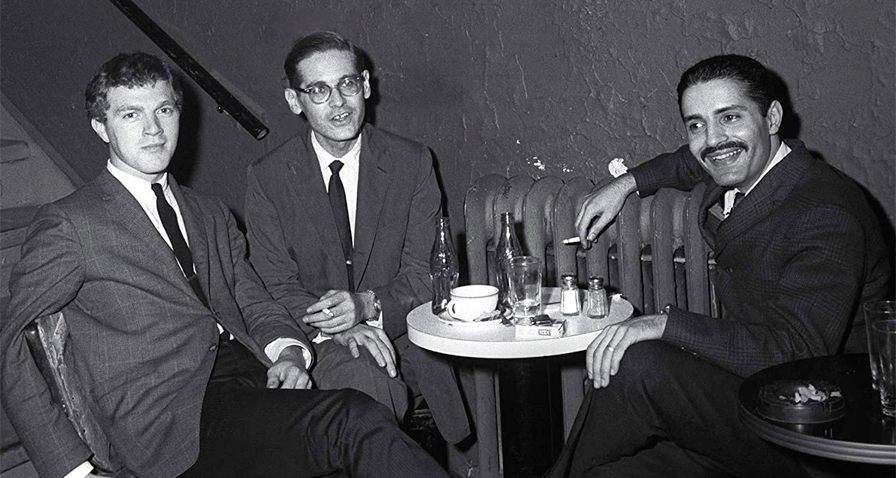
In 1959, the formation of the Bill Evans Trio marked a pivotal moment in jazz history. Bill Evans, fresh from his transformative collaboration with Miles Davis on the landmark album “Kind of Blue,” was seeking to explore new musical horizons. He found the perfect collaborators in bassist Scott LaFaro and drummer Paul Motian. LaFaro, a rising star in the jazz world, brought a revolutionary approach to the bass, playing with unprecedented fluidity and melodic inventiveness. Motian, with his subtle yet dynamic drumming style, provided the perfect rhythmic counterpart. Together, they formed a trio that would redefine the possibilities of jazz performance.
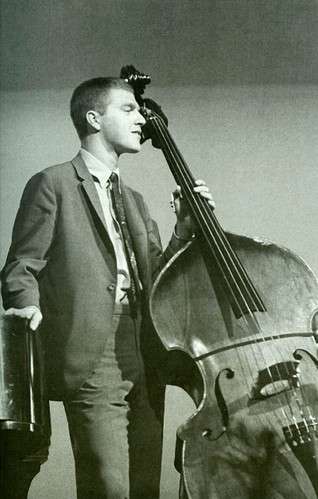
The Bill Evans Trio set a new standard for piano trios by emphasizing collective improvisation and musical interaction. Unlike traditional piano trios where the bass and drums primarily served as accompaniment to the piano, Evans, LaFaro, and Motian created a more democratic and integrated sound. Each member of the trio contributed equally to the musical conversation, weaving complex and spontaneous interactions into their performances. This approach allowed for greater freedom and creativity, pushing the boundaries of what a jazz trio could achieve. Their interplay was characterized by a deep sensitivity to each other’s musical ideas, resulting in performances that were both cohesive and richly textured.
One of the most significant aspects of the trio’s innovation was their approach to rhythm and harmony. LaFaro’s bass playing was groundbreaking in its fluidity and melodic content, often taking on a role that was traditionally reserved for the piano or horns. His ability to move seamlessly between support and lead roles added a new dimension to the trio’s sound. Motian’s drumming was equally innovative, eschewing the strict time-keeping role of traditional jazz drummers in favor of a more textural and interactive approach. This rhythmic flexibility allowed Evans to explore more intricate and expressive harmonic structures, further enhancing the trio’s unique sound.
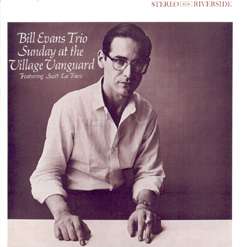
The trio’s recordings have become essential listening in the jazz canon, with “Sunday at the Village Vanguard” standing out as a quintessential example of their artistry. Recorded live at the Village Vanguard in New York City on June 25, 1961, the album captures the trio at the height of their powers. The performances are marked by a remarkable clarity and intimacy, with each musician contributing to a collective musical narrative. Tracks like “Gloria’s Step” and “Waltz for Debby” showcase the trio’s ability to blend lyrical beauty with technical virtuosity. The live recording format also highlights the trio’s exceptional ability to respond to each other in real-time, creating a dynamic and engaging listening experience.
The impact of the Bill Evans Trio on the world of jazz cannot be overstated. Their innovative approach to collective improvisation and musical interaction has influenced countless musicians and set a new benchmark for jazz performance. The trio’s emphasis on equality among its members and their ability to create deeply expressive and spontaneous music has made their recordings enduring classics. The legacy of the Bill Evans Trio continues to inspire new generations of jazz musicians, cementing their place as one of the most influential ensembles in the history of the genre.
The Village Vanguard Sessions
The recordings made at the Village Vanguard in New York City on June 25, 1961, are widely regarded as some of the most influential live jazz recordings of all time. The Bill Evans Trio, consisting of Evans, bassist Scott LaFaro, and drummer Paul Motian, was at the peak of its creative powers during these sessions. The Vanguard's intimate atmosphere provided the perfect setting for the trio's interactive and conversational style of play. The resulting albums, "Sunday at the Village Vanguard" and "Waltz for Debby", captured the trio's unique musical chemistry and groundbreaking approach to collective improvisation.
The Vanguard sessions are notable for the extraordinary interplay between the three musicians. LaFaro's bass playing, in particular, was revolutionary, with his melodic and fluid lines challenging the traditional role of the bass as a purely rhythmic instrument. Motian's subtle and dynamic drumming provided a sensitive backdrop, allowing Evans to explore intricate harmonic and melodic ideas. The trio's ability to listen and respond to each other in real-time created a sense of spontaneity and depth that was truly remarkable. These recordings remain a touchstone for jazz musicians and fans alike, representing a high-water mark in the history of the piano trio.
Tragedy struck shortly after the Vanguard sessions when Scott LaFaro was killed in a car accident on July 6, 1961, at the age of 25. His death was a devastating blow to Bill Evans, both personally and professionally. Evans was deeply affected by the loss of his close friend and musical collaborator, and he took a hiatus from performing and recording for several months. LaFaro's passing marked the end of an era for the trio, but their recordings from the Village Vanguard continue to be celebrated for their innovation and artistic excellence. The legacy of their collaboration lives on in the music they created together during those historic sessions.
Personal Struggles and Triumphs
Throughout his life, Bill Evans faced significant personal challenges, including a long-term struggle with drug addiction. His battle with heroin, which began in the late 1950s, had a profound impact on his health, his relationships, and his career. Despite these struggles, Evans remained dedicated to his music, finding solace and expression in his art. His music often reflected the emotional depth and introspection that came from his personal experiences, resonating with listeners who were touched by the vulnerability and honesty of his playing.
Evans' personal life was also marked by several tragic losses, including the suicide of his brother, Harry, in 1979. These events further deepened the sense of melancholy and introspection in his music. However, amidst the darkness, there were also moments of triumph and artistic growth. Evans continued to innovate and evolve as a musician, leading a series of successful trios and collaborating with a wide range of artists. His resilience and commitment to his craft allowed him to overcome personal adversity and continue making significant contributions to the world of jazz.

In his later years, Evans found a renewed sense of purpose and creativity. He formed new trios that continued to push the boundaries of jazz piano, and he remained a highly sought-after performer and recording artist. His ability to transform personal pain into beautiful and expressive music was a testament to his artistic genius and his strength of character. Bill Evans' journey was one of both struggle and triumph, and his music remains a powerful and enduring reflection of his life's experiences.
Bill Evans' Later Years and Final Trio
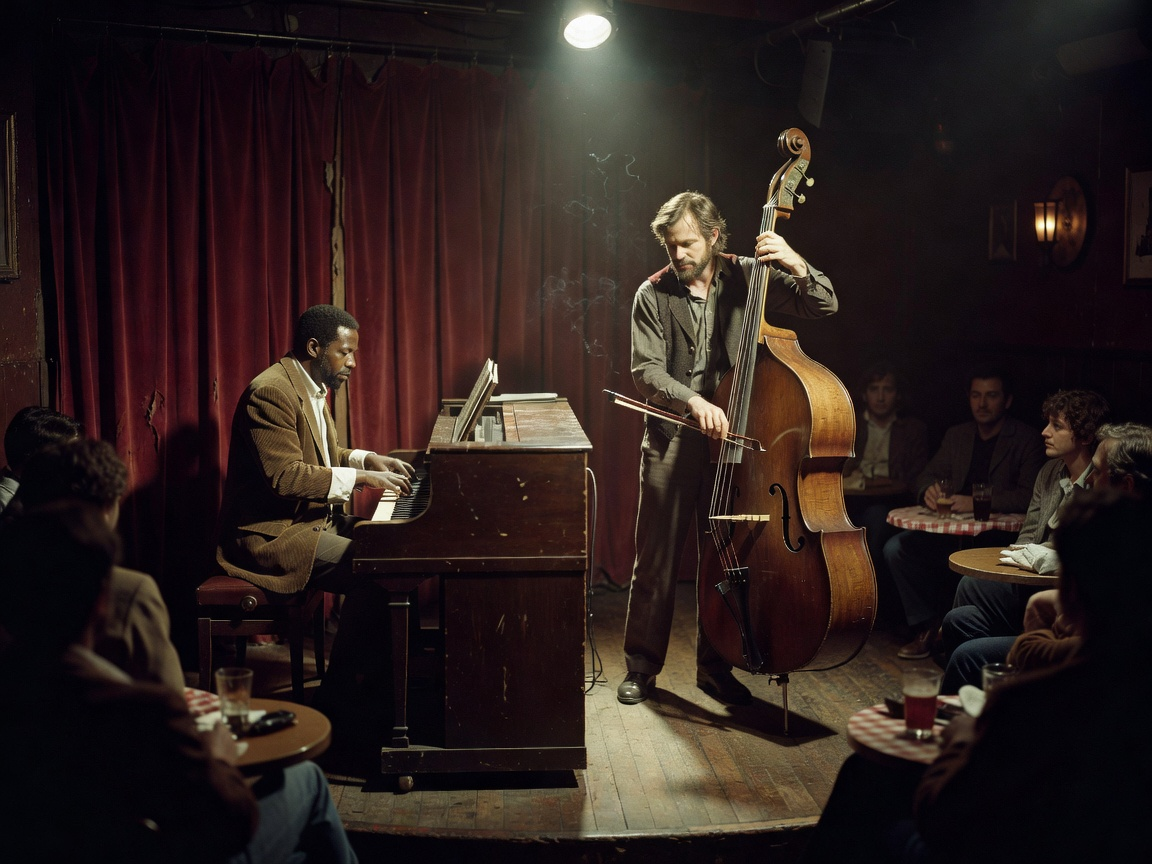
In the late 1970s, Bill Evans formed his final trio, featuring bassist Marc Johnson and drummer Joe LaBarbera. This trio is often regarded as one of his most dynamic and inspired ensembles, with a level of interaction and energy that rivaled his legendary trio with Scott LaFaro and Paul Motian. Johnson and LaBarbera provided a fresh and supportive musical environment that allowed Evans to explore new directions and reach new heights in his playing. The trio's performances were characterized by a sense of urgency and vitality, reflecting Evans' continued dedication to his art.

The final trio's recordings, including the live albums from the Village Vanguard in 1980, captured a musician at the peak of his maturity and expression. Evans' playing was more adventurous and energetic than ever, with a renewed sense of rhythmic drive and harmonic exploration. His collaboration with Johnson and LaBarbera was a highlight of his later years, showcasing his ability to lead and inspire a new generation of musicians. Despite his declining health, Evans continued to perform and record with passion and intensity, leaving behind a body of work that remains a testament to his enduring artistry.
Bill Evans passed away on September 15, 1980, at the age of 51. His death was a significant loss to the jazz world, but his music continues to inspire and influence musicians and listeners around the globe. His final trio stands as a fitting conclusion to a remarkable career, representing the culmination of his life's work and his unwavering commitment to musical excellence. The legacy of Bill Evans lives on in the recordings and the memories of those who were touched by his music, ensuring that his influence will be felt for generations to come.
Legacy and Influence on Jazz

Bill Evans' impact on the world of jazz is immeasurable. He redefined the role of the piano in jazz, introducing a level of harmonic sophistication and emotional depth that was unprecedented. His innovative approach to collective improvisation, particularly in the context of the piano trio, set a new standard for musical interaction and expression. Evans' influence can be seen in the work of countless pianists who have been inspired by his lyrical style and his innovative use of harmony. His music continues to be studied and performed by musicians of all levels, ensuring that his legacy remains vibrant and relevant.
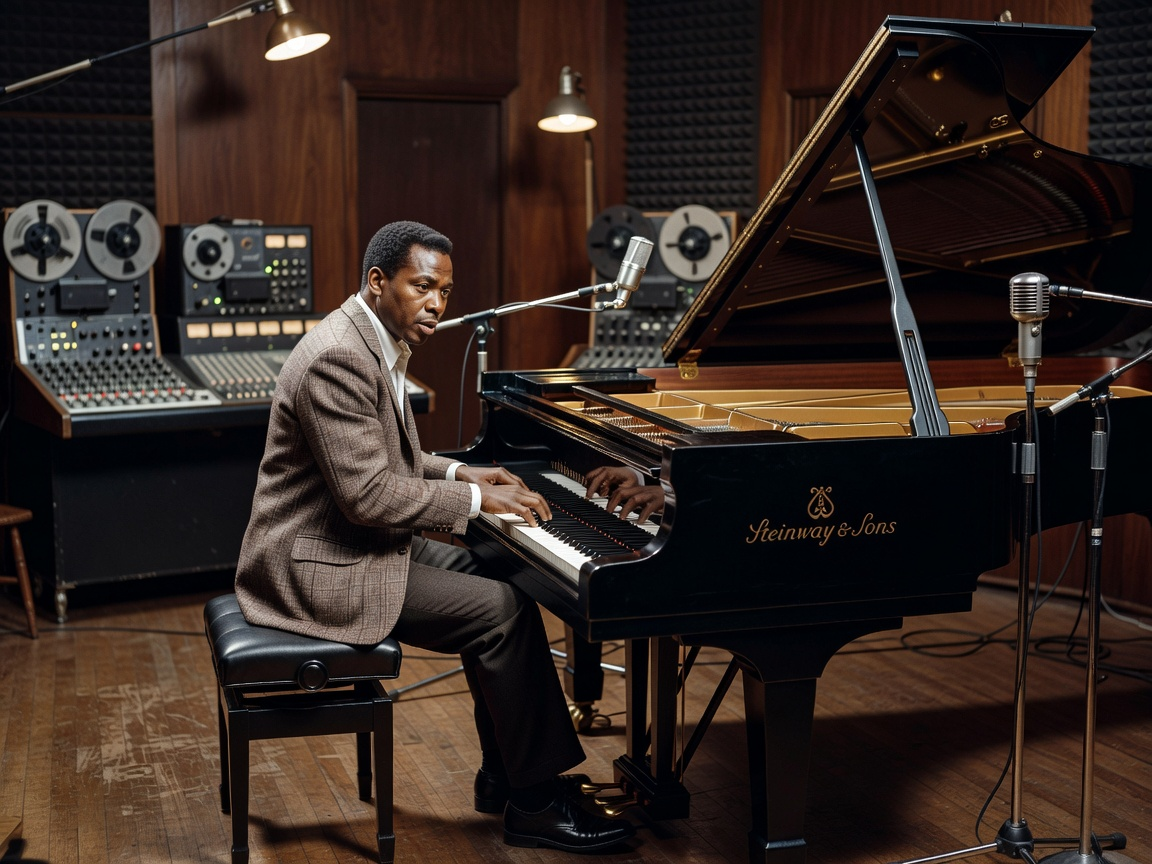
Beyond his contributions as a pianist, Evans was also a prolific composer, with many of his pieces becoming jazz standards. His compositions, such as "Waltz for Debby" and "Blue in Green", are celebrated for their melodic beauty and harmonic complexity. Evans' work with legendary figures like Miles Davis further solidified his position as a key innovator in the genre, with his contributions to albums like "Kind of Blue" remaining a cornerstone of jazz history. His influence extended far beyond the jazz world, reaching artists across various genres who were touched by the sensitivity and beauty of his music.

Today, Bill Evans is remembered as one of the greatest and most influential jazz musicians of the 20th century. His legacy is honored through numerous awards, recordings, and tributes that celebrate his extraordinary talent and his profound impact on the genre. His music remains a source of inspiration and comfort for listeners around the world, a testament to the power of art to transcend time and space. Bill Evans' life and work were a journey of discovery and expression, and his legacy continues to shape the future of jazz, ensuring that his voice will always be heard.
Exploring the Bill Evans Songs and Solos Plugin
The Bill Evans Songs and Solos Plugin is a comprehensive 237-page digital database that goes far beyond a simple songbook. It includes everything from lead sheets and melody lines to intricate full transcriptions and single-note solos — all faithfully notated and ready to study or perform. The collection also features solo, duo, and orchestral arrangements, making it a versatile resource for players at any level.
As a bonus, the plugin includes 5 MP4 instructional videos with over 1 hour and 17 minutes of content. These videos offer visual insight into Evans' unique technique, touch, and phrasing — the kind of detail that notation alone can't capture. Whether you're a student, educator, or working musician, this plugin gives you direct access to the musical mind of one of jazz's greatest pianists.
Master This Style
Deepen your practice with the professional tools used by jazz masters.