Bossa Nova
A Brazilian rhythm that blends samba with cool jazz, soft melodies, and sophisticated harmony.
Originally published on RealBookSoftware.com
Bossa Nova
Bossa Nova is a rhythm from Brazil that blends samba with cool jazz. Originating in the late 1950s and early 1960s in Rio de Janeiro, it utilizes classical guitar, piano, and light percussion. Bossa Nova is associated with soft, lilting melodies and poetic lyrics, reflecting a new wave of culture and politics. João Gilberto's "Chega de Saudade" and Antônio Carlos Jobim's "The Girl from Ipanema" are emblematic of this serene style.
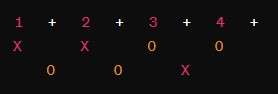
A typical Bossa Nova rhythm, rooted in the samba tradition and enhanced by jazz influences, is known for its smooth, relaxed style and sophisticated rhythm patterns. The core Bossa Nova rhythm emphasizes the second beat, creating a distinctive syncopation that is both laid-back and complex. This rhythm can be represented in a simplified form, especially for guitarists emulating the style of João Gilberto, one of Bossa Nova's pioneers.
In a 4/4 time signature, a basic Bossa Nova pattern might look like this:
How the Pattern Works
Here, 'X' represents the bass notes or lower pitch played on the beat, 'O' signifies the chord or higher pitch played off the beat, and '+' indicates the off-beats. This pattern captures the essence of Bossa Nova's rhythm, emphasizing the syncopated feel that defines the genre. The interplay between the bass notes and chords creates the Bossa Nova's characteristic flowing and rhythmic motion, with a particular emphasis on beat 2, distinguishing it from other musical styles.
Master This Style
Deepen your practice with the professional tools used by jazz masters.
Related Reading in Latin Jazz
Latin Jazz Rhythms: The Complete Guide
Your directory to the rhythms, grooves, and hybrid styles that power Afro-Cuban and Brazilian jazz. From the clave to batucada, every rhythm has a story.
From Havana To Rio: Tracing the Latin Jazz Phenomenon
A full look at the Afro-Cuban, Caribbean, Brazilian, and American threads that shaped Latin jazz, from the Spanish Tinge to Bossa Nova.
Afoxé
An Afro-Brazilian rhythm from Bahia with a triplet feel, rooted in Candomblé and Carnaval traditions.